
10 Unspoken Rules in Japan (That You’ll Probably Break)
We know you're not trying to be a bad tourist, but everyone occasionally breaks one of these unspoken rules in Japan.
apan is famous for its unspoken social norms. While locals have had these drilled into them until they come naturally, visitors don’t get the same playbook. In fact, sometimes they’re just embarrassing. These unspoken rules in Japan aren’t always spelled out in guidebooks, but many Japanese people still expect them to be understood and followed.
It’s nearly impossible not to commit a faux pas or two—sometimes even
by being too polite. Sometimes it’s just common sense, like not making a
lot of noise on the train. The point is that bad tourists are sort of becoming an issue in Japan. But being aware of some common mistakes, like the ones below, can help you become a (slightly) better guest.
1. Putting Money Directly into Someone’s Hand
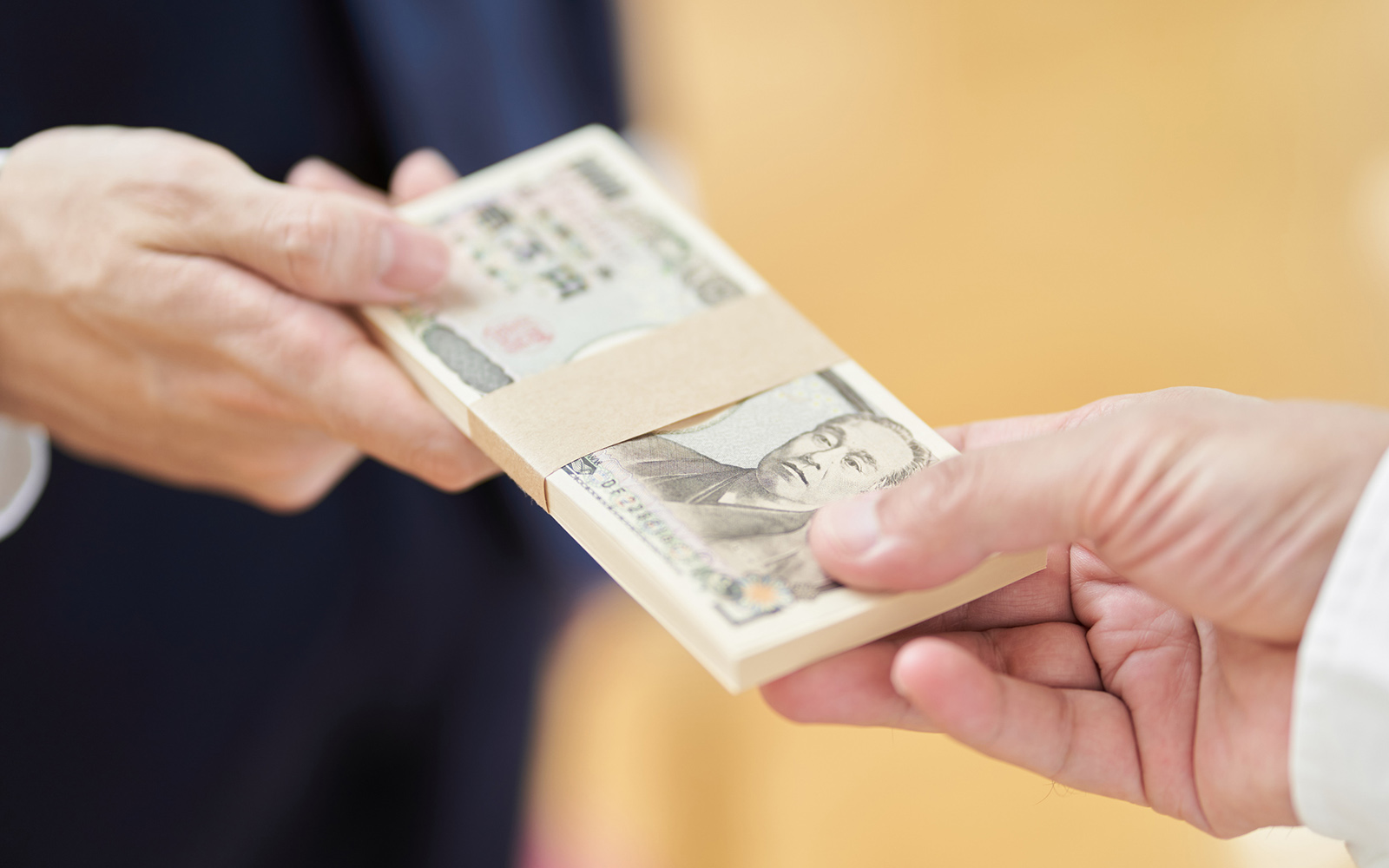
Best not to come off too forward
In Japan, the word for money is o-kane, not just kane. The o- is a polite prefix, and its use reflects the deep respect given to money—not just in how it’s earned and spent, but also in how it’s handled.
That respect extends to daily transactions. In most restaurants and stores, there’s a small tray on the counter for handing over cash. Giving money directly into someone’s hand can come off as a bit too forward or even rude, especially in more formal places.
2. Public Displays of Affection (PDA)
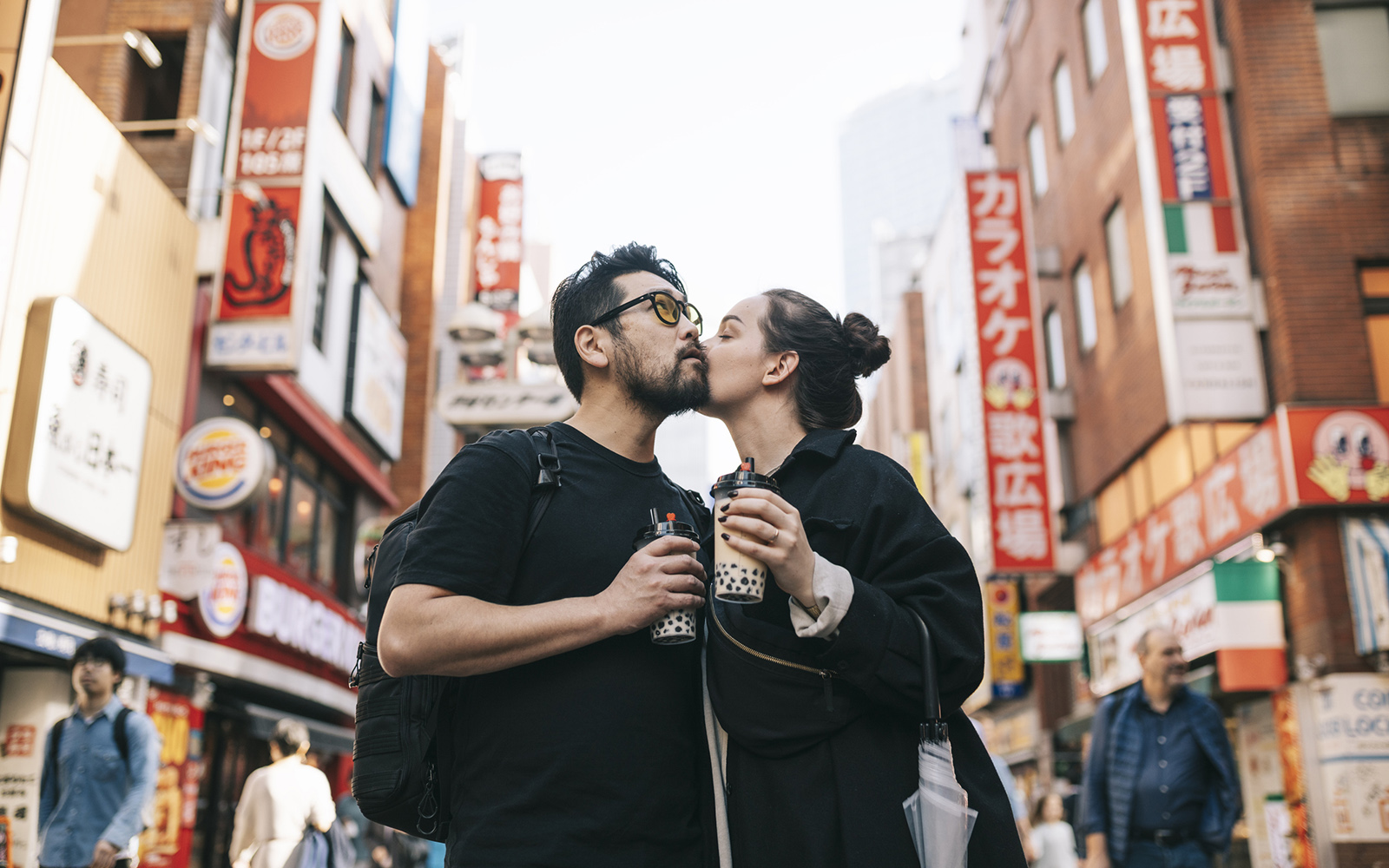
Play it safe and stay lowkey
Holding hands is fine, but anything more—hugging, kissing, leaning on your partner—can turn heads quickly in Japan. It’s not necessarily offensive, but it is awkward, especially in family areas, on public transportation or anywhere near older folks.
Japan values emotional restraint in public spaces. Even longtime couples tend to keep affection private, with the unspoken idea being that closeness is something to be shared at home, not out in the open.
That said, social norms are slowly shifting among younger generations, especially in major cities. But the change is still subtle. The one time you’ll see more obvious PDA? Late at night—and usually from very drunk couples. If you’re out with your partner, think “low-key.” Most people won’t say anything, but you’ll blend in more if you save the cuddling for later.
3. Bathing Etiquette
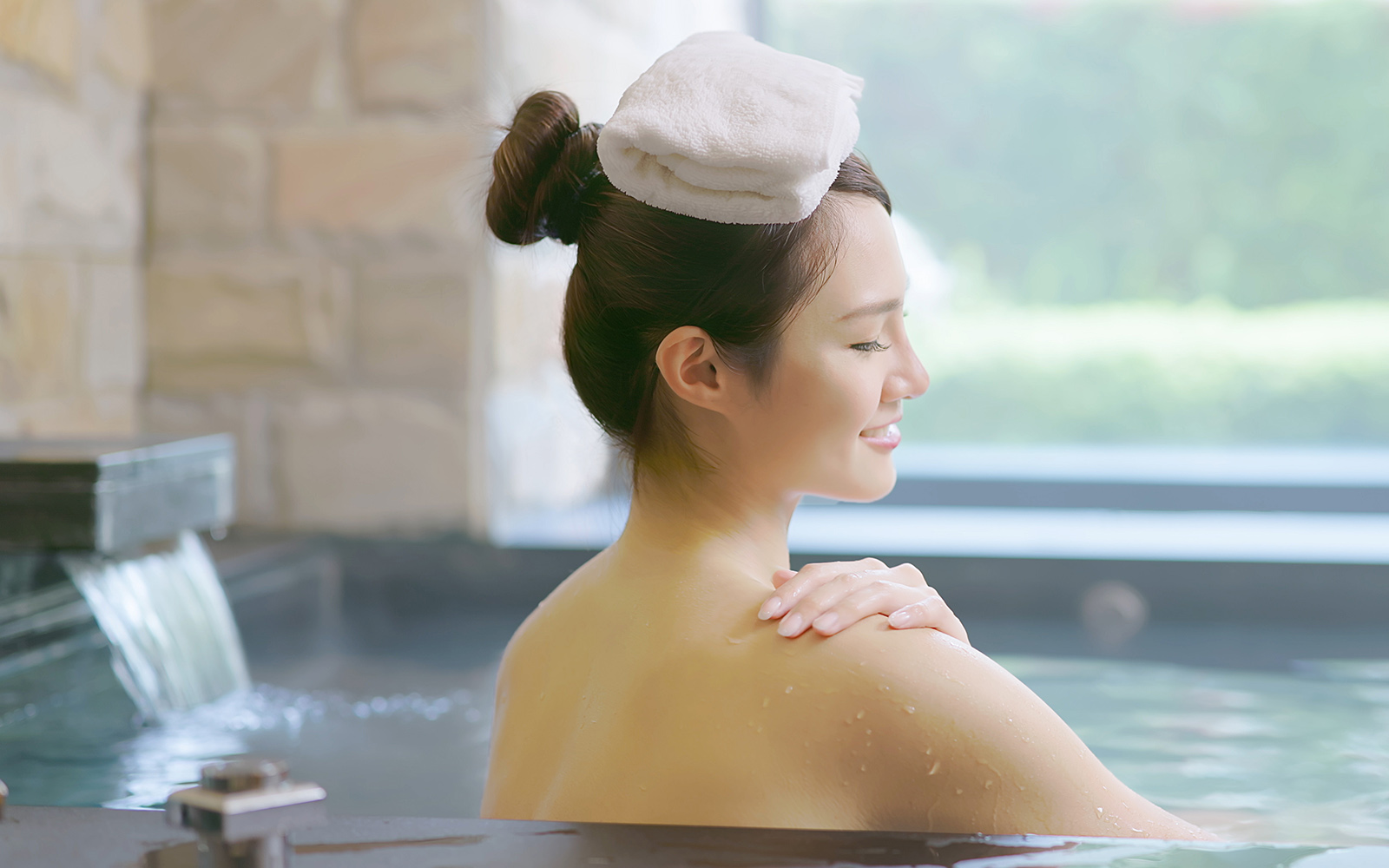
Always wash yourself before you enter the tub.
Japanese bathing culture is as much about ritual as it is about relaxation. Whether you’re in a hot spring (onsen) or a public bathhouse (sento), a few unspoken rules apply:
- Wash and rinse your body before entering the tub.
- The tub is for soaking, not scrubbing.
- Don’t let towels touch the bathwater.
- You can use the small towel to cover yourself on your way to the bath.
- You can also place it on your head while soaking.
- Use the large towel only after getting out.
As long as your (clean) body is the only thing entering the shared bath, you’re doing just fine.
4. Do Not Bring Tipping To Japan
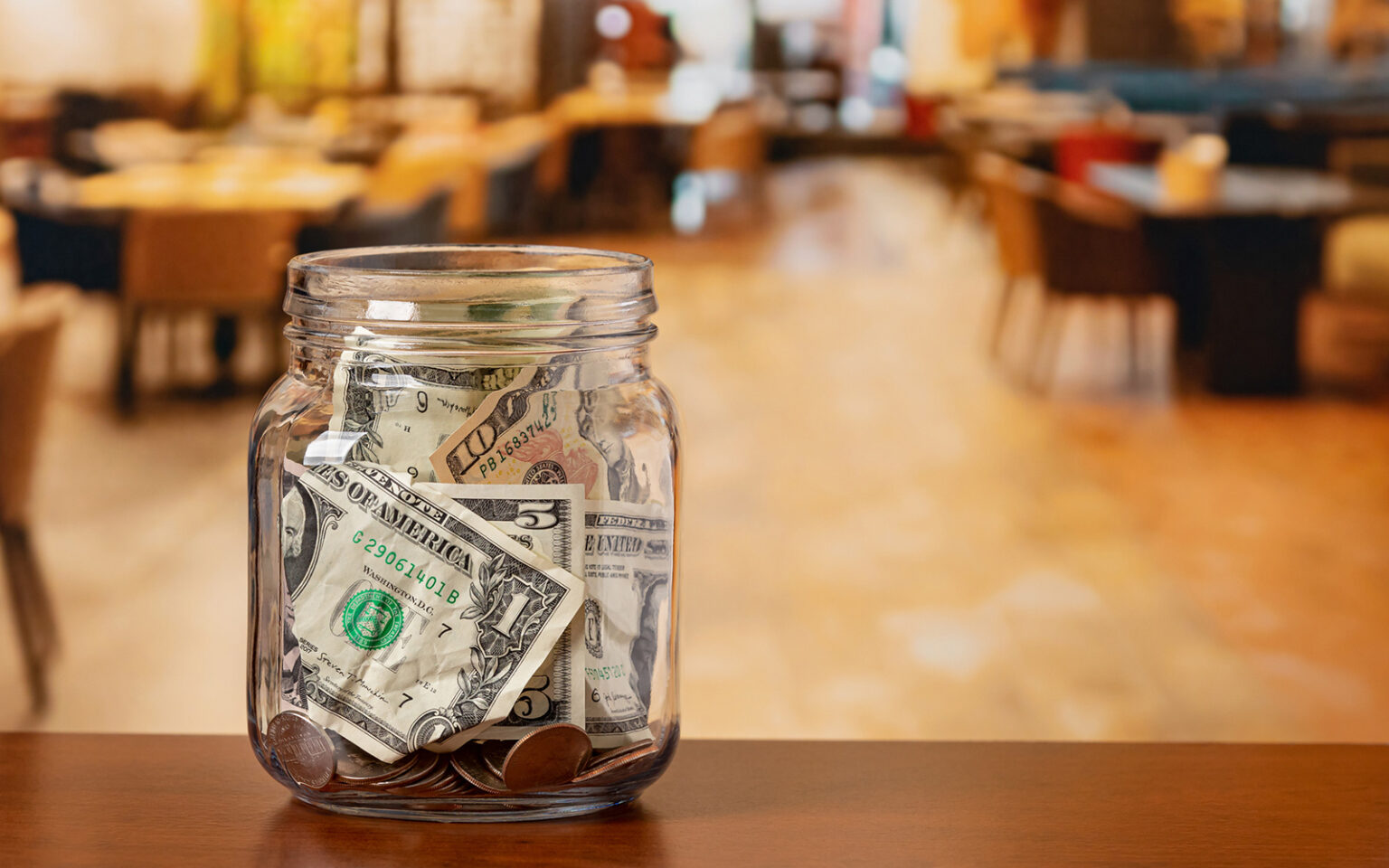
Avoid an uncomfortable situation by not tipping.
At most restaurants and hotels in Japan, the service charge is already included, and tipping is not expected. In fact, offering a tip might make staff uncomfortable or confused, especially in more traditional or upscale places.
That said, with more tourists arriving from tipping-heavy cultures—and wages in hospitality remaining stagnant—some younger staff are now quietly accepting tips in casual settings, especially tourist spots. You might spot a tip jar at a coffee shop or see a service charge listed on your receipt. But don’t force it.
It’s not just Japanese people who prefer things this way. For many foreigners living in Japan—especially Americans and Canadians—one of the best parts of dining out is the absence of tipping. No guessing games, no awkward math, no pressure. Introducing tipping culture here isn’t just unnecessary—it’s unwelcome by locals and long-term residents alike.
If you want to show appreciation, do it the Japanese way: say a sincere arigatou gozaimasu and come back as a regular customer.
5. Not Queuing for Escalators or Cutting in Line
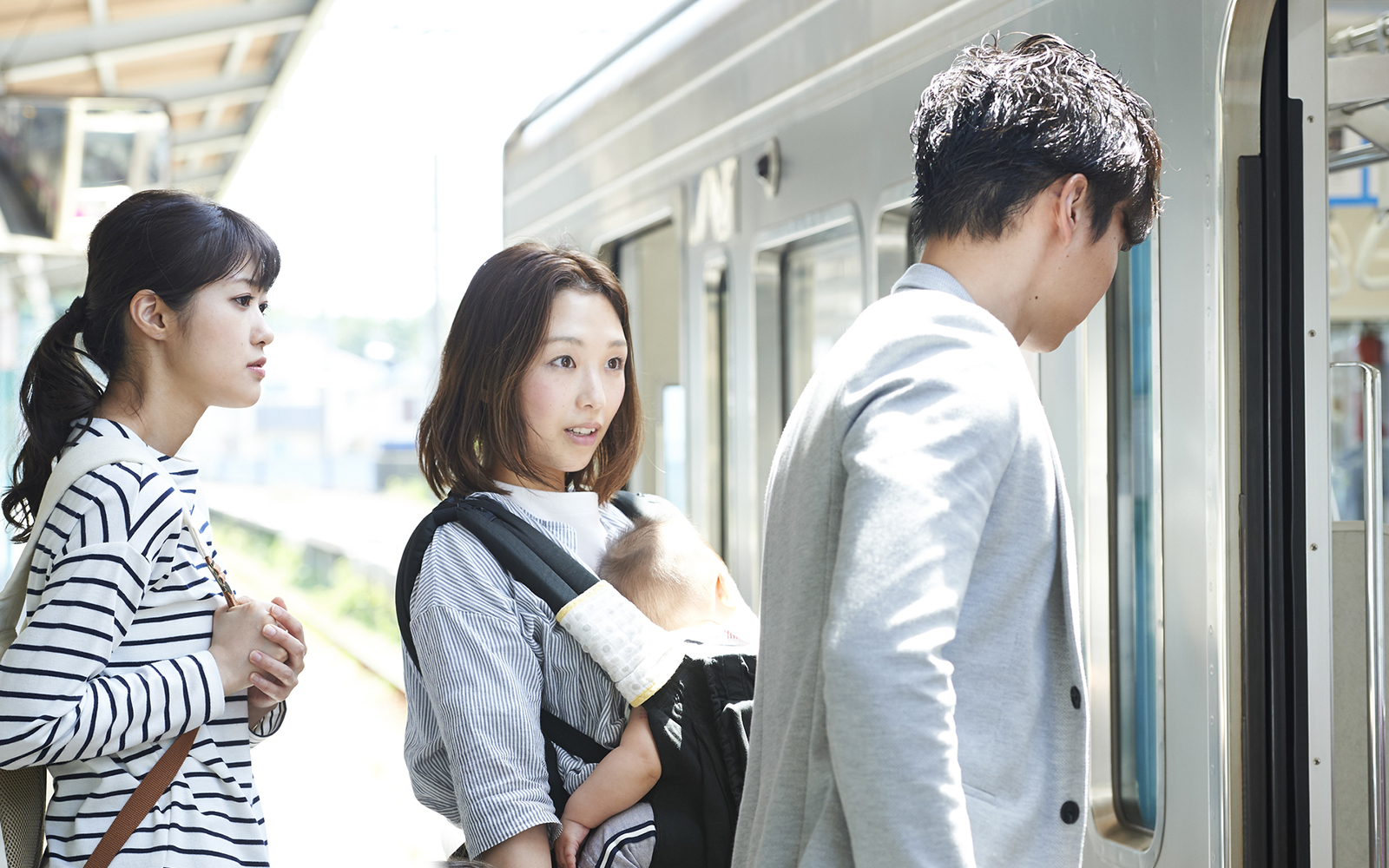
Just do as the locals do, and you should be fine.
Here, Order is everything. In Tokyo, people stand on the left side of the escalator and walk on the right. In Osaka, it’s the opposite. Similarly, even walking on the sidewalk follows a flow, usually matching the direction of car traffic.
That said, rules are sometimes ignored during rush hour—even by locals. The safest approach? Just follow what everyone around you is doing. Don’t cut in line at the escalator and don’t rush on the train if there is already a queue (especially if people are still getting off).
6. Don’t Pass Food with Chopsticks
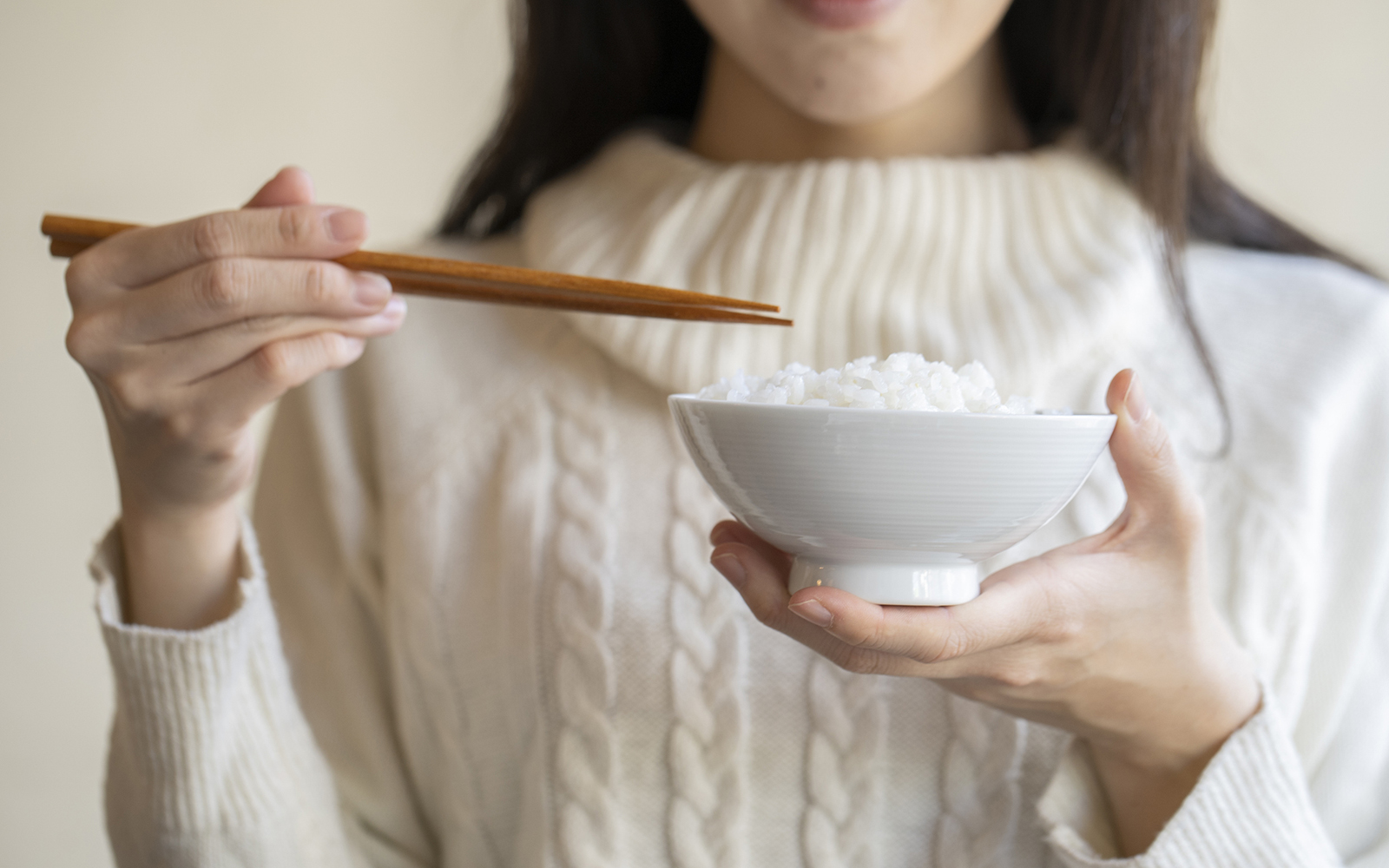
Think twice before you use your chopsticks to pass food around.
You’ve probably already heard that sticking chopsticks upright in a bowl of rice is considered rude in Japan. This practice mirrors a funeral ritual in which rice is left as an offering to the dead.
But did you know that passing food directly from one pair of chopsticks to another is also tied to death? It closely resembles a cremation ceremony where family members transfer the bones of the deceased between chopsticks. Because of this, even if your intentions are good, the gesture can feel unsettling.
Most Japanese people will understand that it was an innocent mistake, but it still creates an awkward moment. If you want to share food, use the opposite end of your chopsticks (the clean side), or offer the plate and let the other person take what they want.
7. Wearing Strong Perfume or Cologne

Try not to wear strong fragrances, if at all.
While a bold designer scent might turn heads in other countries, in Japan, it’s more likely to turn stomachs, especially in tight public spaces like trains or elevators. Japan tends to value cleanliness as scentless. Personal hygiene is expected, but strong smells—good or bad—are considered meiwaku (a nuisance) to others. Many companies even have internal rules or unwritten expectations discouraging perfume or scented products at work.
You’ll rarely hear anyone say anything to your face, but you may notice people quietly shifting away from you in enclosed spaces. The cultural ideal is to be clean, quiet and unobtrusive, so wearing a fragrance that enters the room before you do is definitely not the norm.
Deodorant is fine (and appreciated). But if you want to wear fragrance, keep it subtle. Think of it this way: if strangers can smell you, it’s too much. That includes your BO.
8. Blowing Your Nose in Public
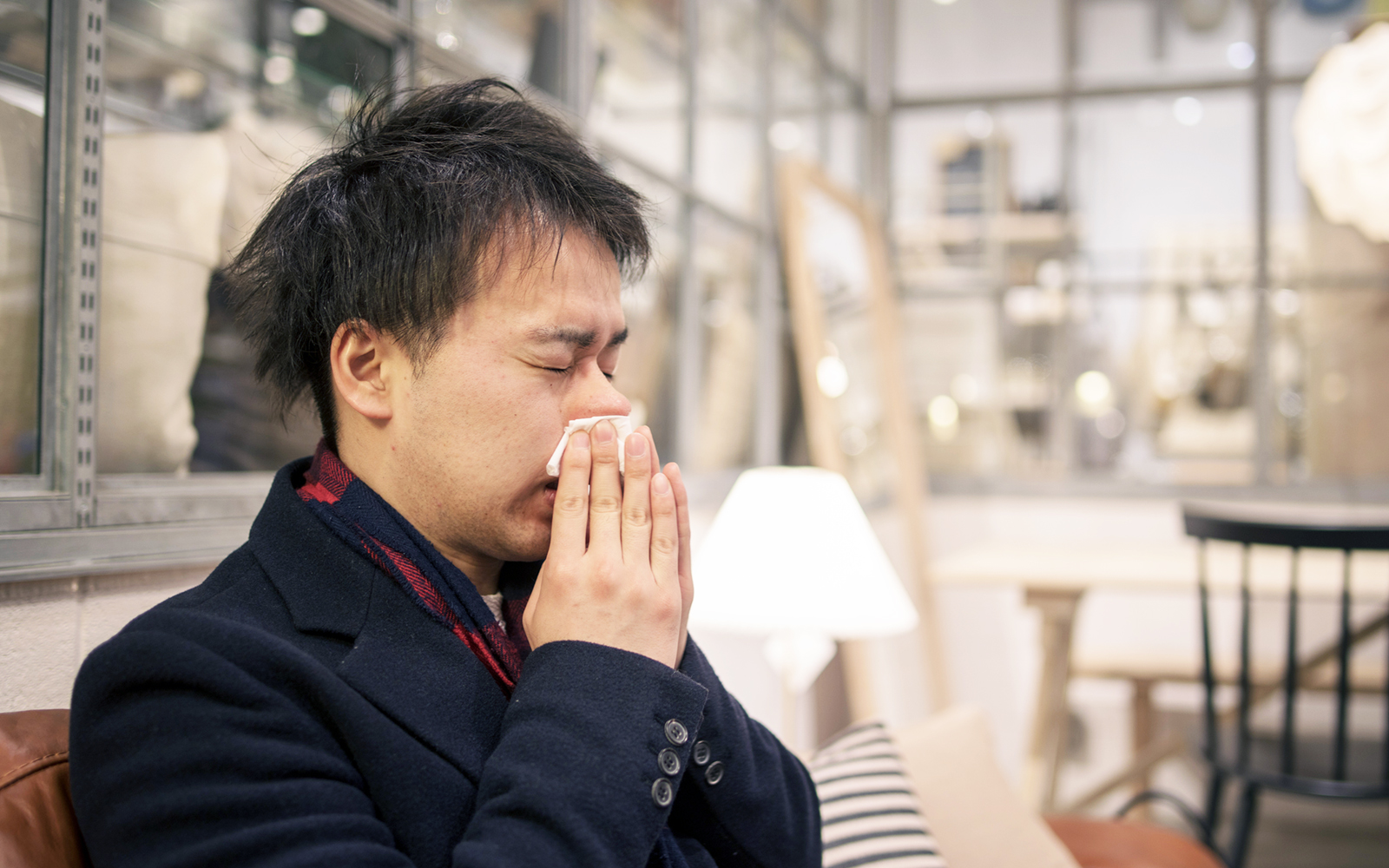
Step away from others before you blow your nose.
People from Western countries consider blowing their nose into a tissue good hygiene—polite, even. But in Japan, it’s considered bad manners to do so in public, especially in quiet places like trains, offices, classrooms, or elevators.
Why? The sound is seen as disruptive, and many people associate nose-blowing with illness or lack of self-restraint. It’s not that people don’t get sick in Japan—it’s that the etiquette around being visibly ill is different. Instead, most people quietly sniffle until they can excuse themselves. This is also why you’ll hear a lot of sniffling during winter or hay fever season (kafunshō).
Rather than draw attention by loudly blowing their nose, people will endure it until they can find a private spot like a restroom or stairwell. If you’ve got a runny nose, try to step away from others before you take care of it. Wearing a mask is also common and helps avoid both the need to sniffle and the social awkwardness that comes with it.
9. Using the Wrong Honorific—or None at All
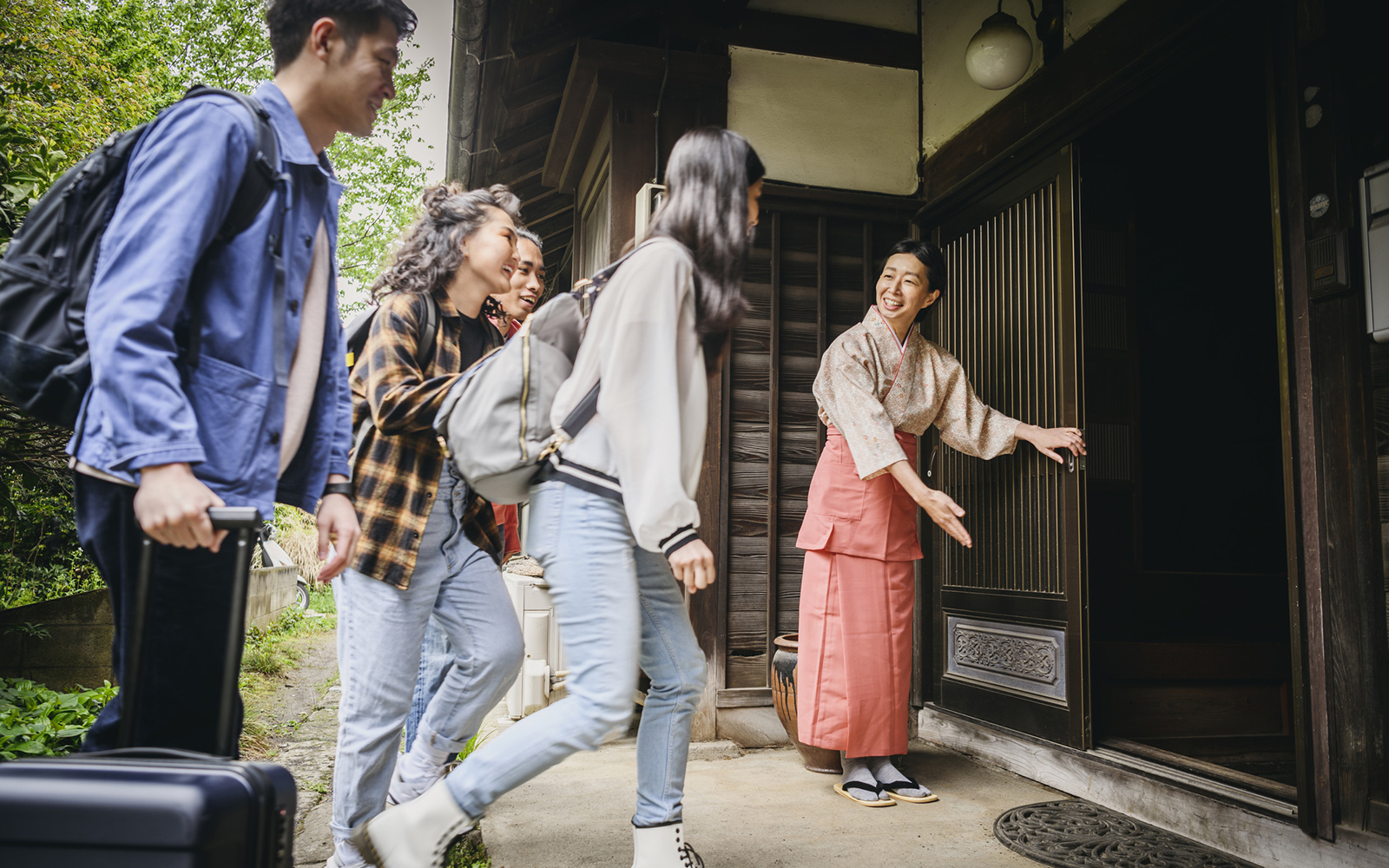
When in doubt, use -san.
In Japanese, names often come with titles like -san, -sensei, or -sama, and skipping them can come off as rude. Calling someone by their first name without a title is known as yobisute—and it’s a big cultural faux pas unless you’re close friends.
On the flip side, being too polite can also be awkward. Using formal language with kids or acting overly deferential in casual situations may feel unnatural. Japanese speakers often adjust their level of formality based on the situation, and it’s something that takes time to learn.
When in doubt, use -san, and if you slip up, a quick shitsurei shimasu (excuse me) goes a long way.
10. Handling Items with One Hand
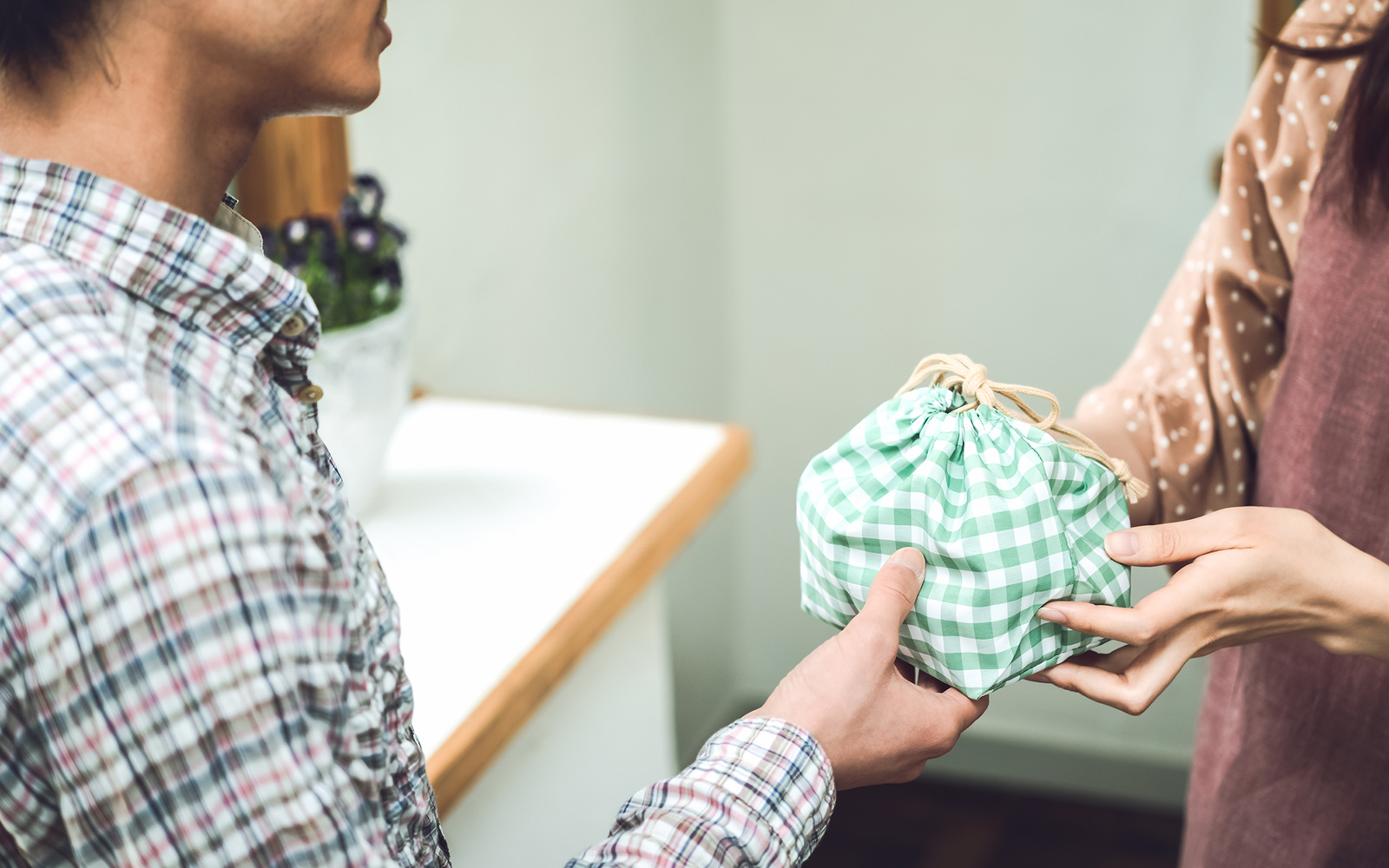
Show your gratitude by receiving items with two hands.
Whether it’s handing over a credit card, business card (meishi), or a gift, using both hands shows respect. One-handed exchanges can feel careless, especially in formal situations.
Using both hands is tied to the idea of sincerity and attentiveness. Even at a convenience store, you’ll notice staff returning your change with two hands. It’s not just habit—it’s cultural etiquette.
Japan’s Unspoken Etiquette
Much like its language, Japanese culture is about what isn’t said as much as what is. These social rules can feel like a dance you don’t know the steps to, but the good news is? Most people are forgiving when you misstep.
The best approach is to stay humble and open to correction. Still Face trouble in getting used to Japan? Consult With Nikhil Kun :-Tap Here