

Exorcism in Japan: True Stories of Possession
Even today, reports of spirit possession surface around the world. The Holy See recognizes hundreds of official exorcists in dozens of countries. Japan, too, has practiced its own forms of spiritual purification for centuries.
One of the oldest surviving Shinto rituals is the Oharae no Kotoba, or “Great Purification Prayer.” It was recited to drive away malevolent spirits long before the idea of priests fighting demons with crucifixes reached Japan.
But rites in Japan maintain peace, not battle the devil. Offerings for the restless, prayers for the unseen. But some stories start when peace fails. When the boundary between this world and the next slips, a spirit doesn’t just linger. It takes hold.
Foxes Won’t Let You Sleep
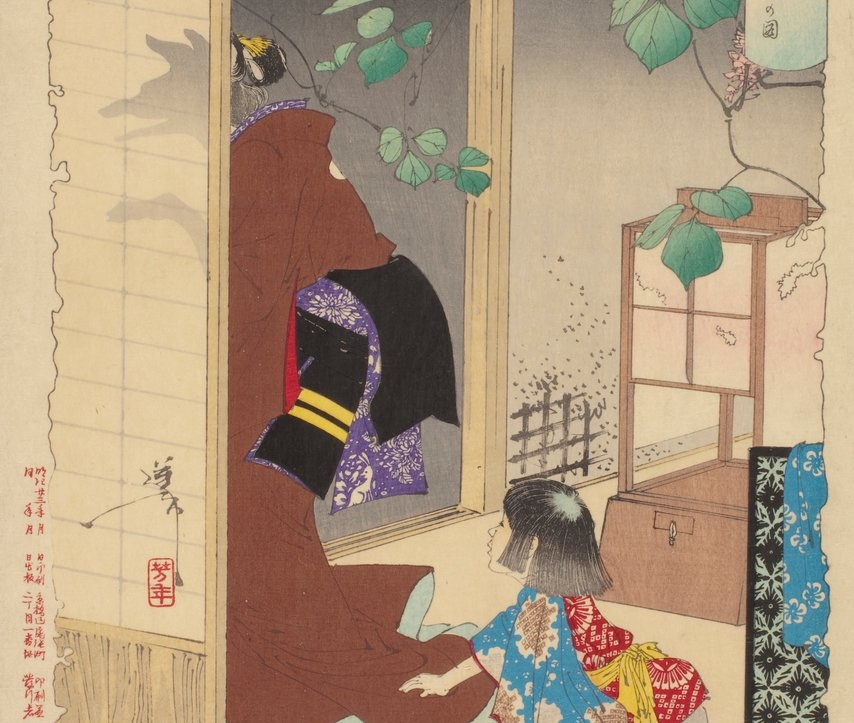
The Fox-Woman Kuzunoha Leaving Her Child: Yoshitoshi
Possessions and exorcisms have been documented not only in folklore but also by doctors, journalists and folklorists since the Meiji era. Anthropologists like Carmen Blacker and researchers like Erwin von Baelz recorded first-hand accounts of possessions in rural Japan, describing the afflicted as trembling, speaking in other voices and sometimes showing physical marks like bite marks.
Baelz was particularly interested in wild fox spirits called nogitsune. These spirits were said to play malicious tricks, whisper insults and keep the host awake for days. The creepiest detail he reported was that the person stays conscious the whole time, forced to listen.
Then there’s inugami, dog-spirits tied to specific regions and families. People thought an inugami could guard a house or ruin a rival. Folklorist Takatoshi Ishizuka published Nihon no Tsukimono (Possession in Japan), compiling post-war field reports from rural communities in Kochi and Ehime Prefectures.
He described afflicted people who “felt pain in their chest,” “complained of pain in their arms and feet” and sometimes “swayed without warning and barked like a dog.” Some families even insisted that bite-like marks appeared on the victims’ bodies after death.
Possession in Okinawa
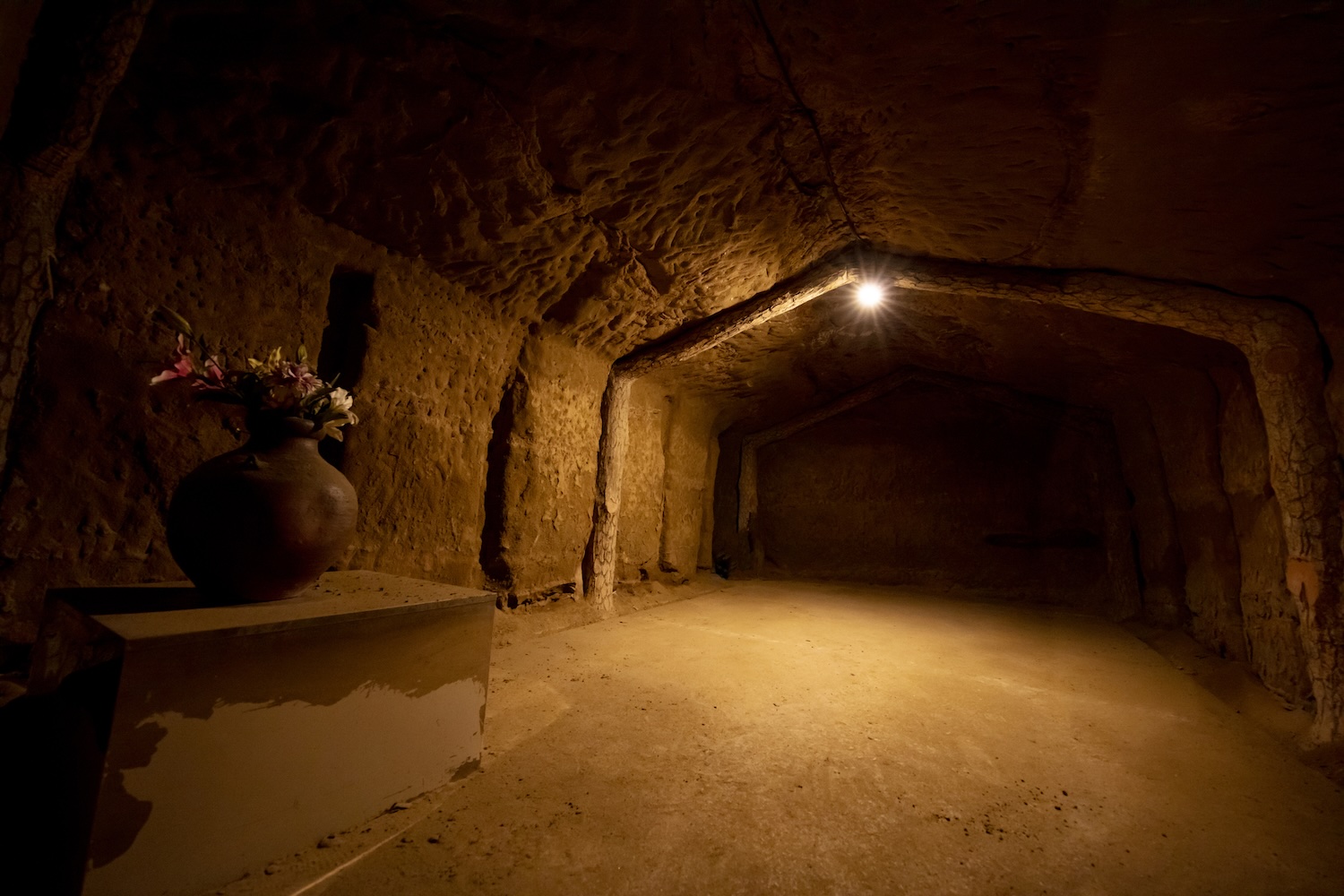
A cave in Okinawa.
The southern islands of Japan harbor a long history of hauntings and spirit possession. The indigenous belief system of the Ryukyu Islands believed in a world-of-humans and a world of “other” spirits, forces and ancestors—blurred boundaries that demanded respect.
One of the best-known modern legends takes place at the rooftop-view near Nakagusuku Castle in Okinawa’s Kitanakagusuku district. In the 1970s, a luxury hotel project now the abandoned Nakagusuku Hotel Ruinsbecame notorious for worker accidents, abandoned machinery and a palpable local fear of a “cursed site”.
Monks were reportedly ignored, graves were said to lie beneath and the project was left half-built. Newspaper stories of the time tell of a person who dared visit, known as Mr. Tanaka, who was supposedly committed to a mental hospital afterwards, with his spirit utterly destroyed after being possessed by so many spirits.
Spirits of Soldiers Possessing Children
Nope
In the last months of WWII, fighting drove civilians into the island’s limestone caves—tight, wet passages where families whispered in the dark and waited for the shelling to end. Many never came back out. Since then, some communities frame sudden collapses, chest pain or voices not one’s own as the war dead entering a person.
Journalist described a school incident where a boy began shouting in what witnesses said was the voice of a Japanese soldier, screaming “I hate you!” and lashing out violently.
Soon, six other students were overcome, crying that their chests and legs hurt as their faces twisted into what Kitamura described as “the death stares of the soldiers who had died in the cave.”
Thankfully, Okinawans have a rich history with spirits. The spirits were appeased not with a dramatic confrontation, but with a quiet ritual. Incense was burned, and a priest promised to offer annual prayers for the soldiers’ spirits, which calmed the restless spirits.
Possession in Hokkaido
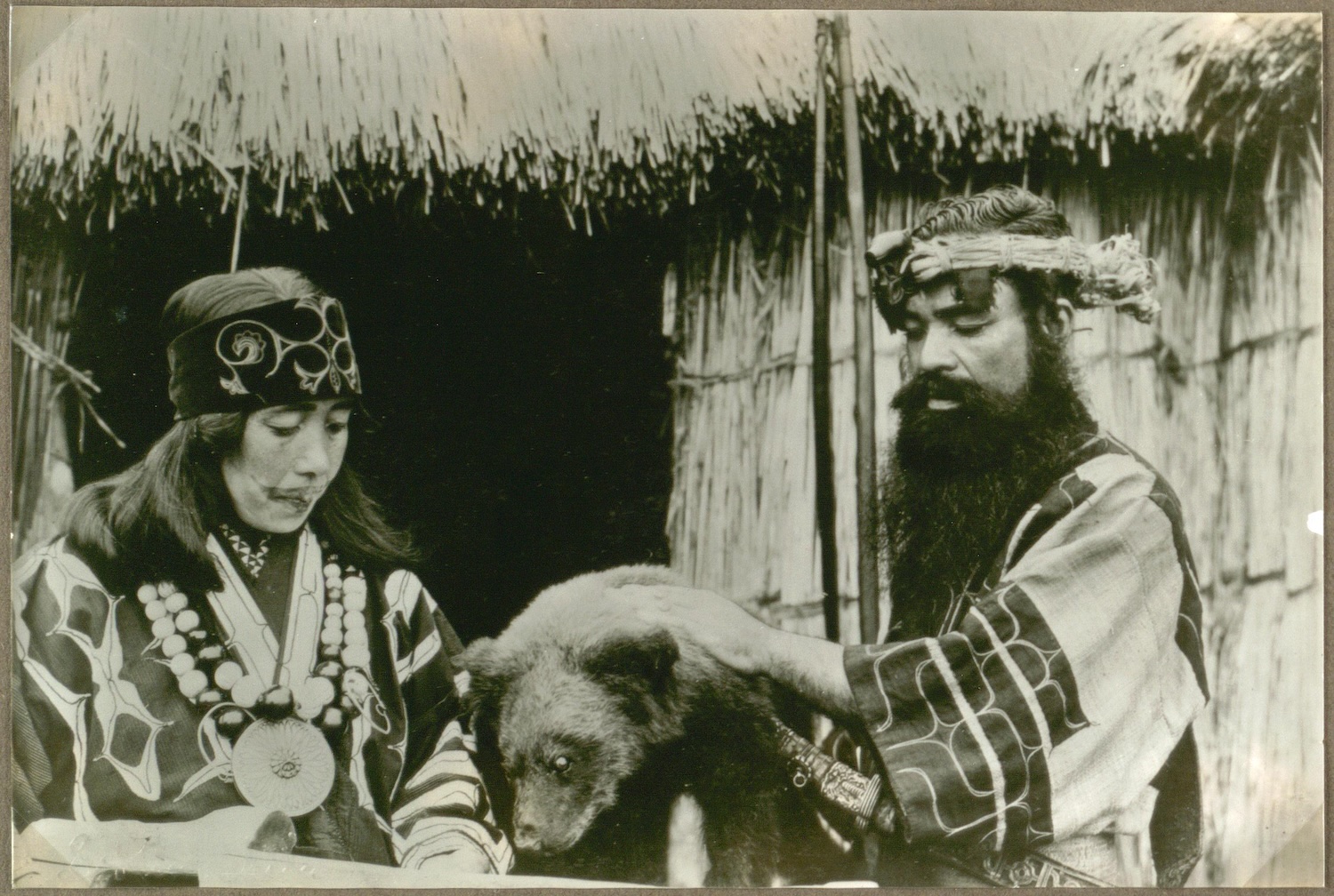
A married Ainu couple, taken in 1937.
In the north, the Ainu speak of kamuy—spirit-beings. They are present in animals, rivers, fire, weather and the tools of daily life. Life goes well when humans honor those powers. But when they don’t, sickness, frenzy and madness are read as a spirit’s grip.
During the smallpox waves of the 18th and 19th centuries, Ainu communities referred to the disease as pakor-kamuy. The arrival of this smallpox deity demanded propitiation as much as medical treatment.
John Batchelor, an Anglican missionary who lived among Ainu communities in Hokkaido from 1877 to 194, recorded an account of a chiitasare (literally a person changed). He described the victim in hysteria in the mountains:
“Unless such a person be caught and thus treated, he will tear up all his clothes and wander about stark naked. He will sleep outdoors and, in the end, die of starvation.”
He also wrote down the cure they used: cut the skin just enough to bleed, lash the body with a spray of acanthopanax (a local thorny shrub), then lead the sufferer into the river until, as they told it, the spirit “stormed off in great anger.”
Like Christian theology, the serpent, too, has a place in the Ainu’s spiritual beliefs. Much like their biblical version, evil snakes have a fondness for women. Bachelor describes them:
“Having a special spite against women, they will bewitch them and drive them mad if they get the opportunity.” He later clarifies that men are afraid to kill snakes because their evil spirits will “enter the heart of the slayer.”
The Changing Face of Exorcism in Japan
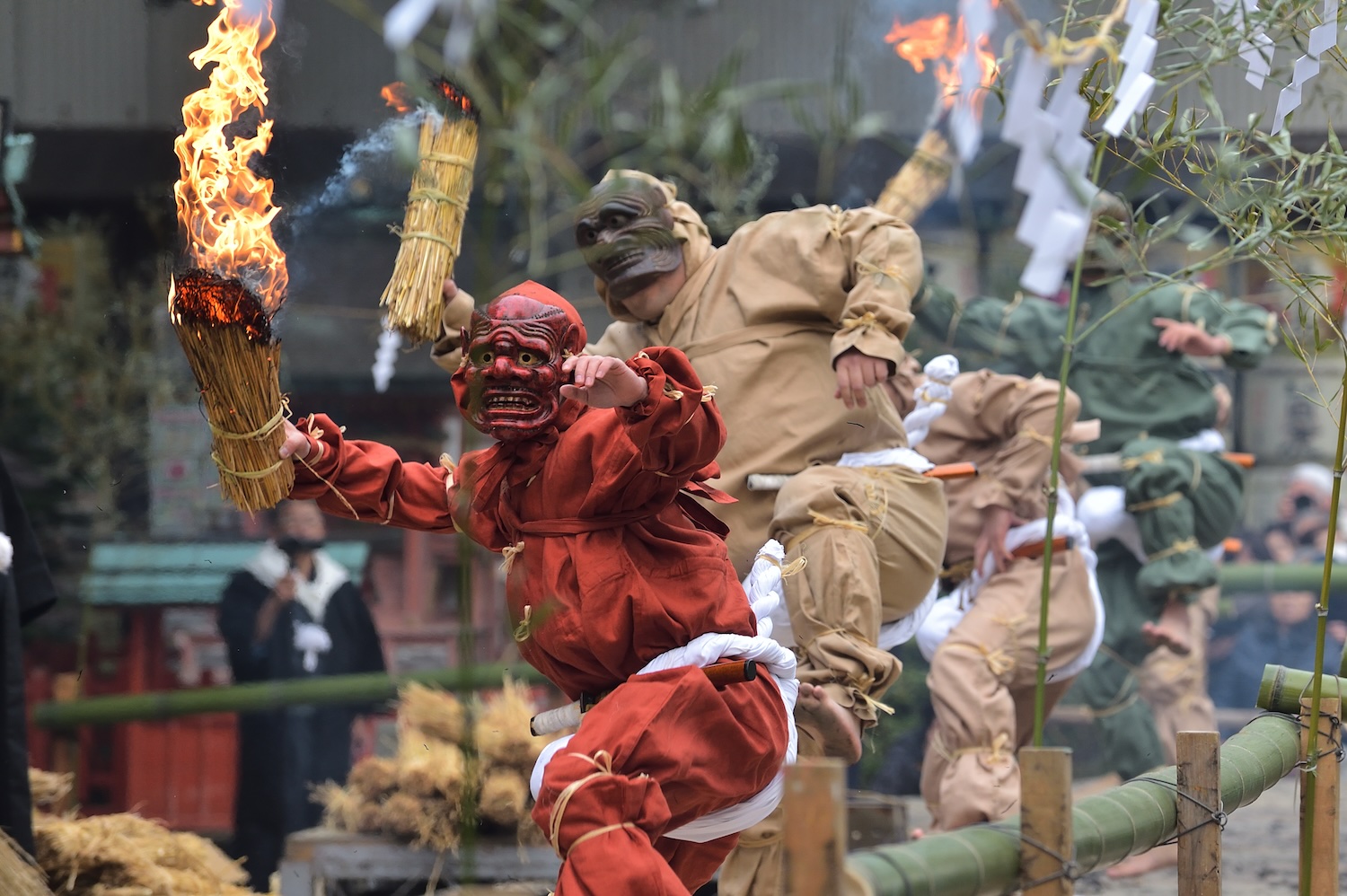
Demons dancing at Nagata Shrine.
Today, cases once called “possession” may get labels like trauma or psychosis. Still, many people in Japan seek purification at shrines. Priests sprinkle salt, ring bells and recite norito (Shinto prayers) to cleanse what you can’t see.
The goal isn’t to combat a demon. It’s appeasement and purification. Cool the trouble. Settle the spirit. Restore order. In Shinto, harae (ritual purification) cleans a person, place or object. Oharae (Great Purification) purifies an entire community.
Mountain ascetics in Shugendo (a mountain Shinto tradition) use tougher methods. Misogi (cold-water cleansing), fasting and chanted mantras push the intruder out. Some rites add goma (a fire offering) to seal the work.
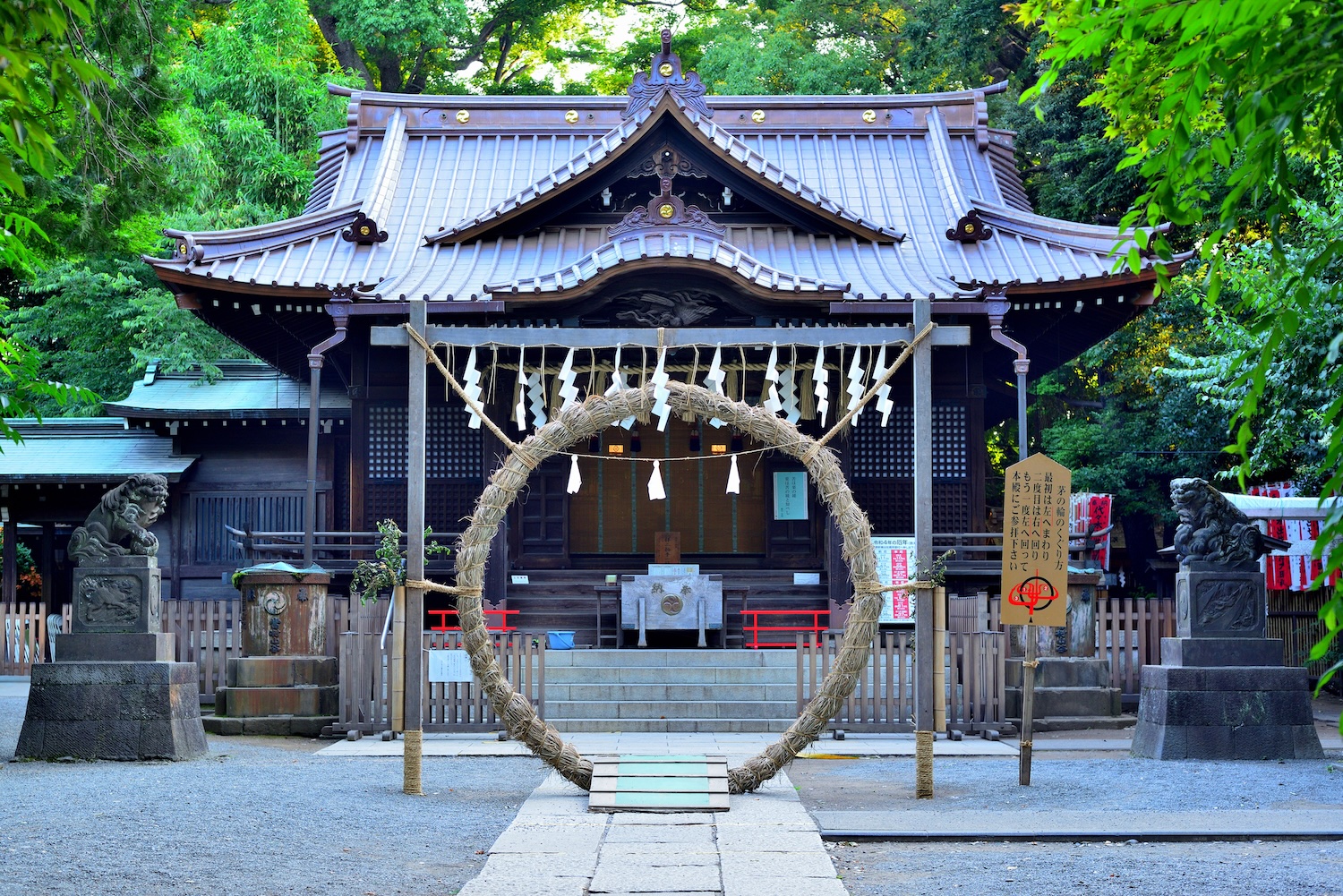
A shrine preparing Oharae.
And there’s more. Every February, Japan celebrates Setsubun, a festival designed to ward off misfortune and the spirits that bring it. Tsuina is an ancient demon-chasing ceremony where priests shoot arrows and strike drums to banish disease and disaster. And, at the end of summer’s Obon, Toro Nagashi sees families release glowing paper lanterns down rivers to guide ancestral spirits back to the other world.
Across regions, the core idea remains the same: restore harmony and respect the dead. These rites endure because they offer a quiet way to finish unfinished business.