
Full Guide to Writing a Japanese Resume Properly
By NIKHIL KUN
If you are serious about getting a job in Japan, you must understand one thing very clearly.
Japan does not use the same resume style as Western countries.
I have reviewed hundreds of resumes, and I can confidently say that many strong candidates lose opportunities simply because they do not follow the correct Japanese format.
For many university students close to graduation, job-hunting is perhaps the most stressful thing on their mind. The first step to applying for any job often begins with writing a convincing resume. At first glance, the Japanese resume, known as 履歴書 (Rirekisho), or what some might call a Japanese CV, can look very daunting. It is probably very different from what you are used to seeing in your home country. In this article, we will help you navigate the Japanese resume and guide you through the Rirekisho section by section.

In this detailed guide, I will explain everything in simple language so you can confidently create a proper Japanese resume that meets real Japanese hiring standards.
Let’s begin.
Two Types of Japanese Resumes You Must Know
In Japan, there are two important documents:
履歴書 (Rirekisho)
職務経歴書 (Shokumukeirekisho)
履歴書 is a brief overview of your background. It includes:
Your education
Your work timeline
Basic personal information
Licenses and qualifications
Think of it as your professional business card.
職務経歴書 is more detailed. It explains your responsibilities, achievements, and skills in depth.
Today, we will focus deeply on 履歴書.
1. What Is 履歴書 (Rirekisho)?
履歴書 is a standardized Japanese resume format. Many companies expect it in JIS standard format.
Even if a company allows free format, using JIS format is safer because it includes all required information in a structured way.
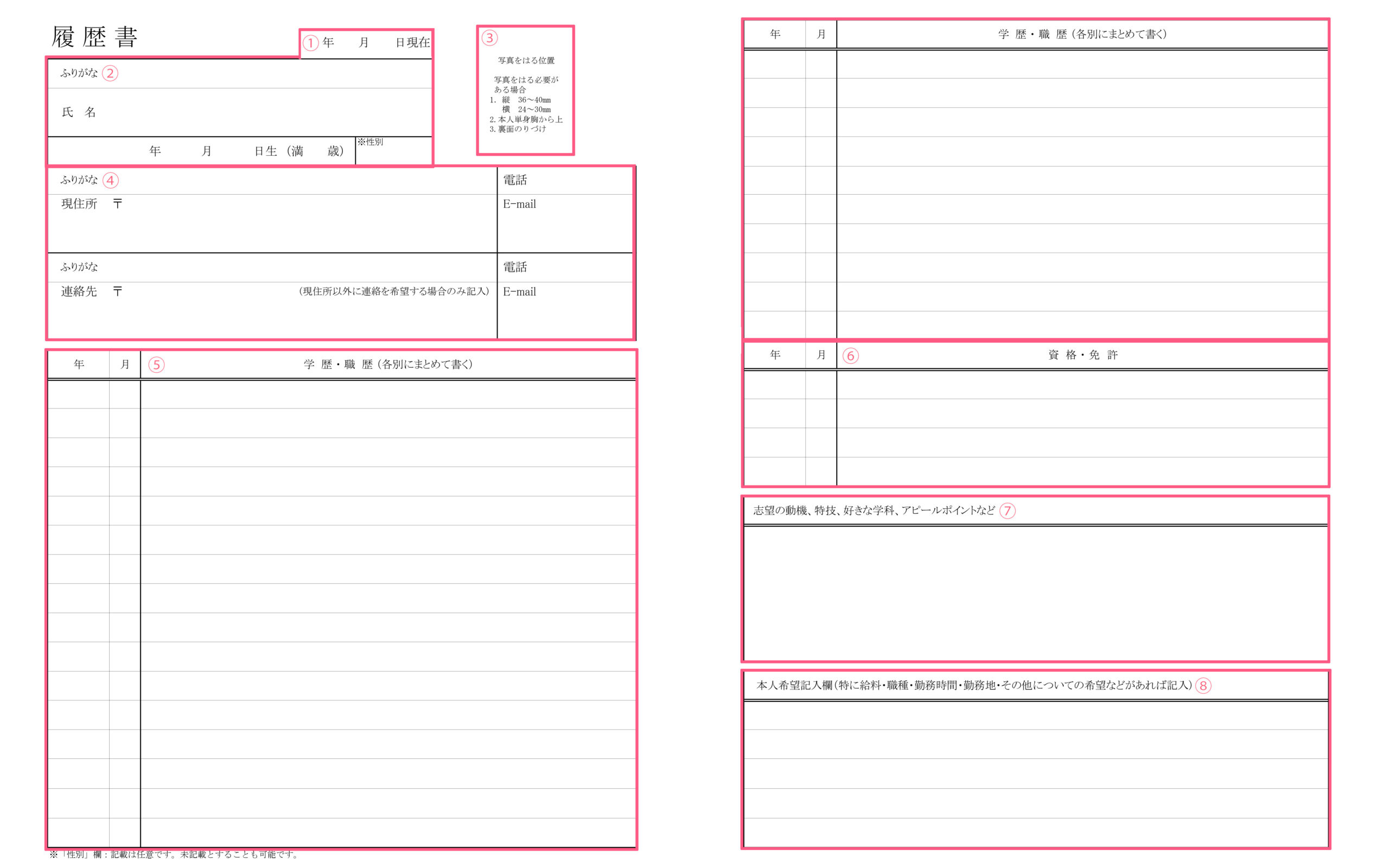
Important Writing Points for 履歴書 (Rirekisho)
Point 1: Emphasis on Readability
You can write it by hand or create it on a PC.
Today, PC format is widely accepted. However, the most important thing is clarity.
Make sure: Your text is aligned properly Spacing is clean There are no spelling mistakes
Messy resumes are often rejected immediately.
Point 2: Unify Fonts
If you use a computer, use only one font throughout the document.
The most common Japanese fonts are: Gothic Mincho
Do not mix fonts randomly. You can adjust size or bold for your name or title, but keep it professional and consistent.
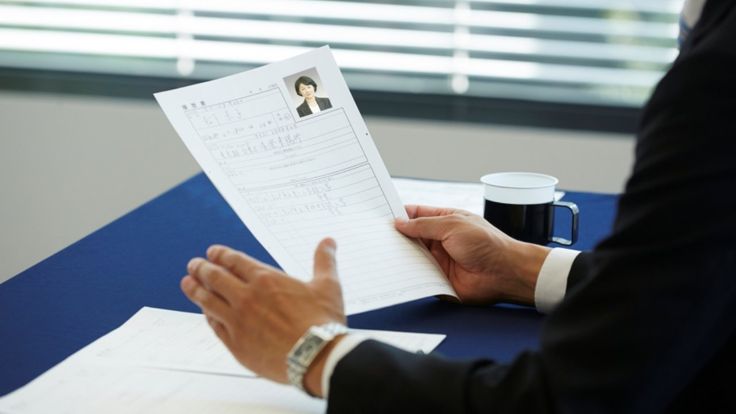
Basic Writing Style You Have To Keep In Mind
① Basic Information
This section includes:
Name Address Age Gender
Use Hiragana or Katakana where required.
Photo Requirements 📷
This is extremely important in Japan.
The photo must: Have a plain background such as white or blue Show your face clearly Be taken from chest up Be professional
Wear: A nice shirt A jacket or suit
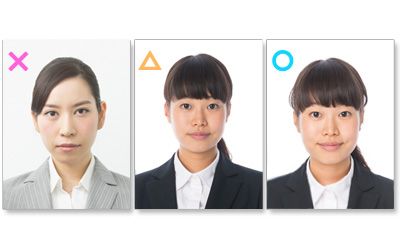
If you are in Japan, use official photo machines located in train stations or shopping malls. They are designed for resumes.
② Background Section
Dates must be written in Japanese calendar style:
Showa Heisei Reiwa
List everything in chronological order.
Very important: The dates in your 履歴書 must match exactly with your 職務経歴書.
Consistency builds trust.
Academic Background Section
Start from high school graduation.
Write: School name Major
If your school name does not include the country, add it in brackets.
Example: 〇〇大学 [India]
If you studied abroad short term or attended language school, consider creating a separate section so your academic history does not look too long.
Work History Section
For each company, write two lines:
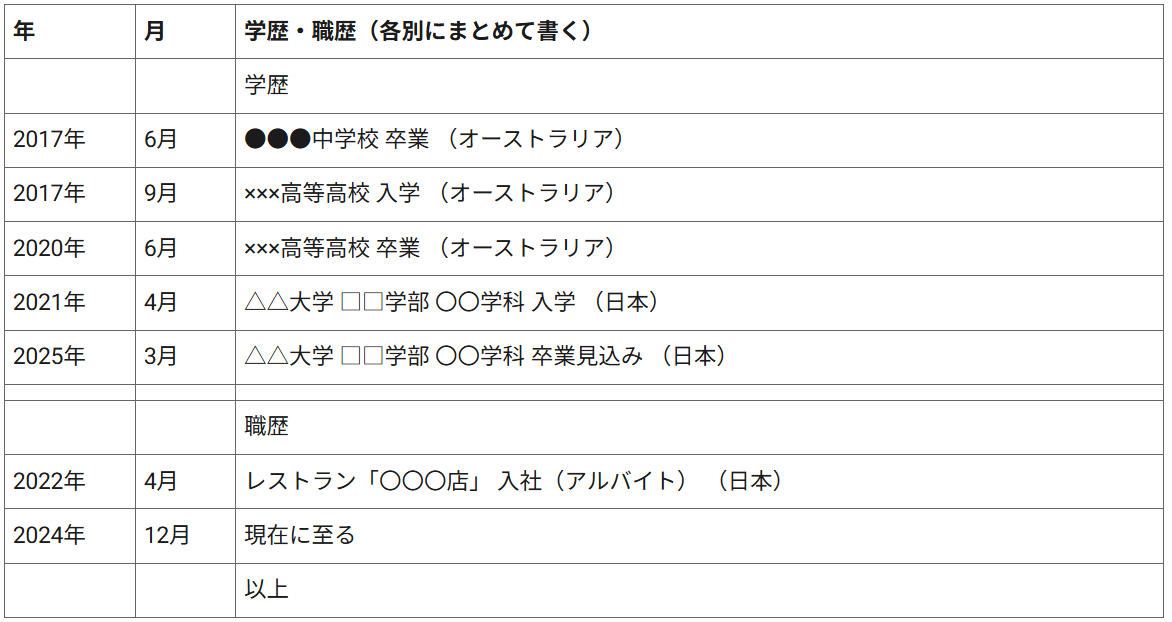
株式会社〇〇入社 株式会社〇〇退職
If you are still working: 現在に至る
If you transferred: 〇〇株式会社へ転籍
For government or agencies, use proper Japanese terms:入団 入庁
Do not write too many internal transfers or promotions here. Detailed roles belong in your 職務経歴書.
Avoid adding: Employment form Department Number of employees Business description
These are not required in 履歴書.
Part Time and Internship Experience
You are not required to list part-time work.
However, if it strengthens your application, you can add it at the end as:
補足
Example: 2000年10月〜2000年10月 飲食店アルバイト

Reason for Resignation
Use correct Japanese expressions.
If you resigned normally: 一身上の都合により退職
If the company closed or downsized: 会社都合により退職
If simple: 退職
Choosing the correct wording matters.
③ Qualifications and Licenses
Write: The date acquired The official name
For example:
普通自動車第一種運転免許
日本語能力試験 N2 合格
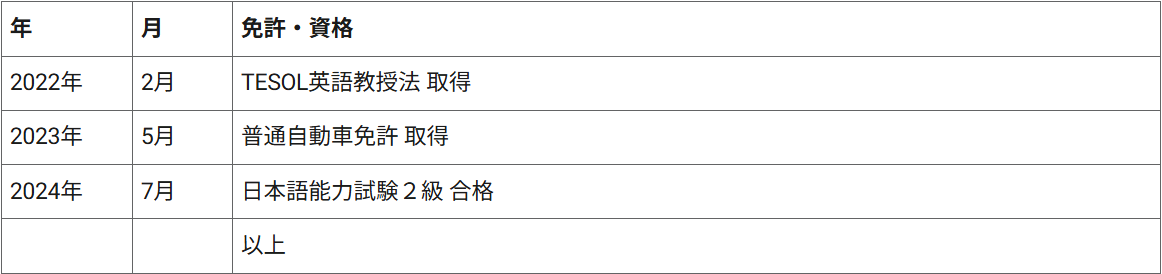
Always use official names exactly as written on certificates.
④ Other Information
You may need to fill:
Spouse Dependents
This can be required for insurance purposes.
If you have a career gap, you can briefly explain it here.
Example: Preparing for Japanese language proficiency exam Family circumstances
Be honest and concise.
⑤ Hobbies, Special Skills, Self PR and Motivation
Hobbies are optional.
If you write them, keep them simple and positive.
Self PR should be: Specific Clear Focused on strengths
Motivation must be tailored for each company.
Important tip: If you send your resume to a recruitment agency, leave the motivation field blank unless instructed otherwise.
⑥ Conditions, Hopes and Wishes

If you do not have special conditions, write:
貴社の規定に従います
This shows flexibility.
If you write too many conditions, it may create a negative impression.
Common Mistakes I See All the Time 🚫
Using Western CV format only Mixing English and Japanese randomly Inconsistent dates Casual tone No photo Overdesigned colorful templates
Japan prefers clean, simple, structured resumes.
If you would like an even deeper dive into applying for a job as an international student you may want to check out JASSO’s Job Hunting Guide for International Students.
Final Advice From Me
When I first started my career journey in Japan, I underestimated how strict resume formatting could be.
But I learned something important.
Your resume is not just a document. It is proof that you understand Japanese culture, structure, and professionalism.
If you prepare your 履歴書 properly:
You increase your interview chances You build trust immediately You show attention to detail
If you want personal feedback on your Japanese resume or help writing your motivation section, I offer one on one resume consultation through my website.
Let’s make your Japan career journey successful the right way
See you in the next blog.
Follow My Journey in Japan
If you enjoy content about living and working in Japan, you can follow me here.