
A Big Win for Indian Tourists and a Quiet Shift in Global Payments 🇮🇳 🇯🇵
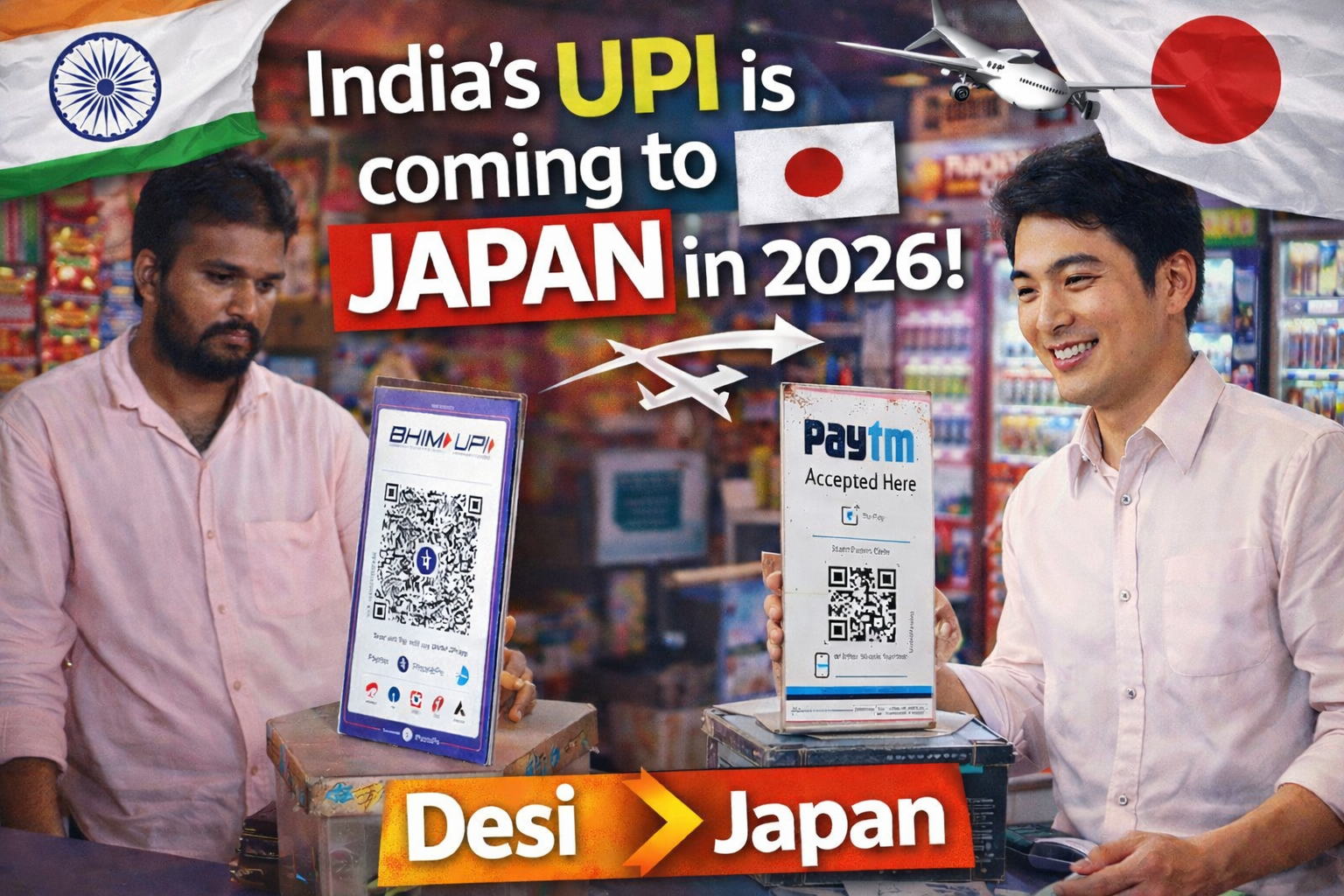
Japan is preparing to test India’s Unified Payments Interface (UPI) in 2026, allowing Indian tourists to make QR code payments directly from their Indian bank accounts while travelling in Japan.
If you’ve ever struggled with cash, exchange counters, or figuring out which card works in Japan, this move is quietly revolutionary.
And honestly? It makes a lot of sense.
Why Japan Is Doing This Now
Indian tourists are coming to Japan in record numbers.
In 2025 alone, over 315,000 Indians visited Japan, marking a 35% increase compared to the previous year, according to the Japan National Tourism Organisation. And this number is only expected to rise.
Indian travellers are also very comfortable with QR-based payments, thanks to UPI becoming a daily habit back home. From street food to five-star hotels, UPI is everywhere in India.
Japan sees this shift clearly.
The goal is simple: Make spending easier for Indian tourists → increase tourism revenue → modernise payments without forcing tourists to adapt.

What Exactly Is Changing
Japan’s IT services giant NTT Data is working with NPCI (National Payments Corporation of India) to roll out a trial version of UPI payments in Japan during FY 2026.
Once implemented, Indian tourists will be able to:
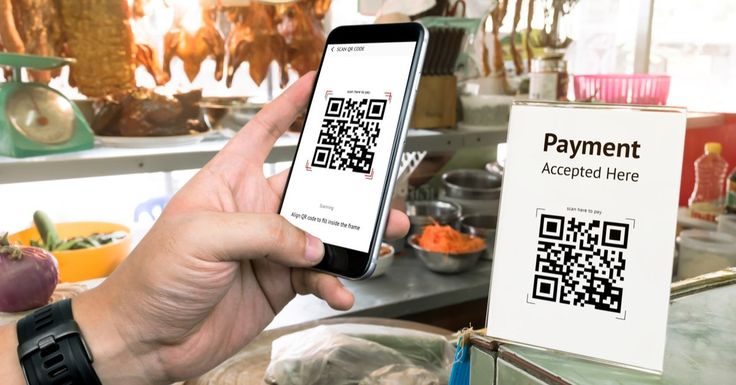
- Scan QR codes at Japanese stores
- Pay using their existing UPI apps
- Get money debited directly from Indian bank accounts
- Avoid currency exchange hassles and card conversion fees
For Indian travellers, this feels natural. For Japan, it’s a smart upgrade.
Why UPI Is Special (And Why Japan Chose It)
UPI isn’t just another payment app. It’s a public digital infrastructure.
Launched in 2016 as a government-backed initiative, UPI allows:
- Instant transfers
- Interoperability between apps
- One QR code that works with multiple banks and apps
- Mostly zero transaction cost for users
That’s the real magic.
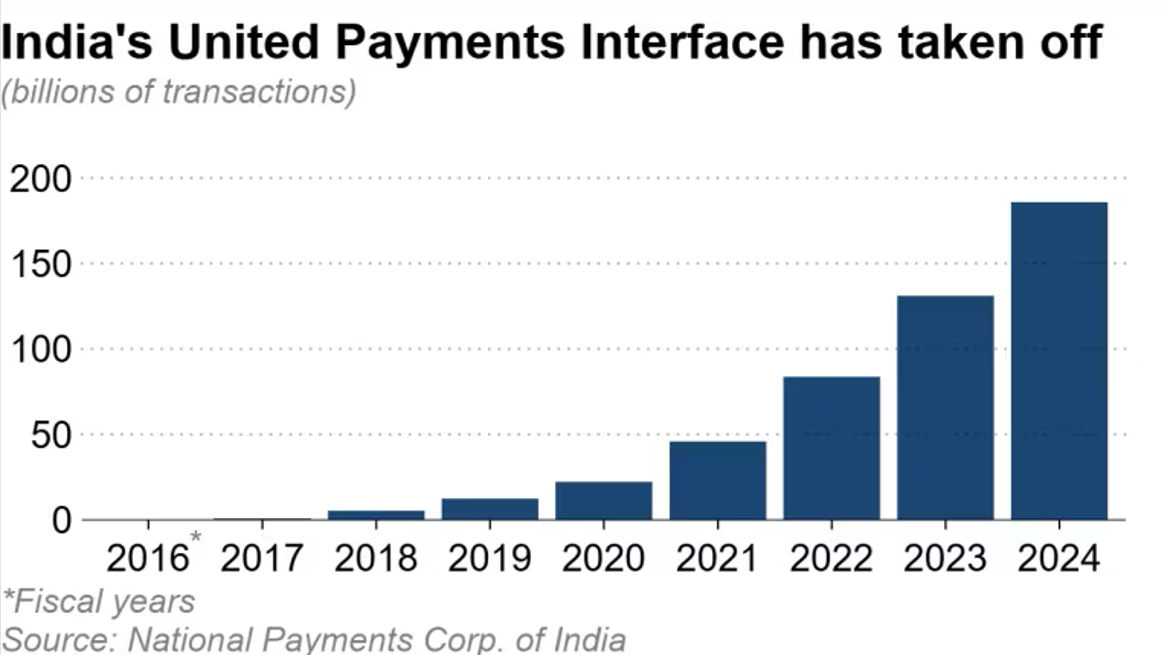
In 2024, UPI already accounted for 58% of in-store payments in India, and this is expected to rise to 76% by 2030, while cash usage continues to fall.
The IMF has even called UPI the “world’s largest real-time payment system.”
Japan isn’t experimenting blindly here. It’s adopting something that already works at massive scale.
India’s Payment System Is Going Global
Japan isn’t the first country to adopt UPI.
Since its first international launch in Bhutan (2021), UPI has expanded to:
- Singapore
- UAE
- Sri Lanka
- France
- Nepal
- Mauritius …and now Japan is next.
NPCI is also helping countries like Peru and Namibia build their own digital payment systems using UPI technology.
This is India exporting infrastructure, not just software.
How This Affects Daily Life in Japan
Japan already loves QR payments. Platforms like PayPay, LINE Pay, and Alipay are widely used.
Adding UPI means:
- Japanese merchants don’t need new hardware
- Existing QR terminals can support Indian tourists
- Less friction at checkout
- Faster transactions in busy tourist areas
NTT Data plans to promote UPI acceptance among Japanese merchants, especially in tourist-heavy locations like Tokyo, Osaka, Kyoto, and Hokkaido.
The Bigger Picture: India–Japan Digital Trust
This move isn’t just about payments.
It reflects growing trust between India and Japan in digital systems, infrastructure, and long-term collaboration. Japan is known for being cautious with financial systems, so adopting UPI even on a trial basis is a strong signal.
For Indians living in or travelling to Japan, this is a small change that makes a big emotional difference.
You don’t feel like an outsider when your everyday tools work abroad.
Final Thoughts from Nikhil Kun
UPI coming to Japan isn’t loud news. There are no flashy headlines or big announcements yet.
But this is how real change happens.
Slow. Practical. User-focused.
An Indian system quietly integrating into one of the most advanced countries in the world. And for Indian tourists, it means one less thing to worry about while exploring Japan.
That’s progress.