
Japan Visa Fees Are Rising
If you’re a foreign resident living in Japan or planning to build your future here there’s an important immigration change you should know about.The Japanese government has proposed a major increase in visa and residency-related fees, and some of the new caps could be up to 30 times higher than the current limits.
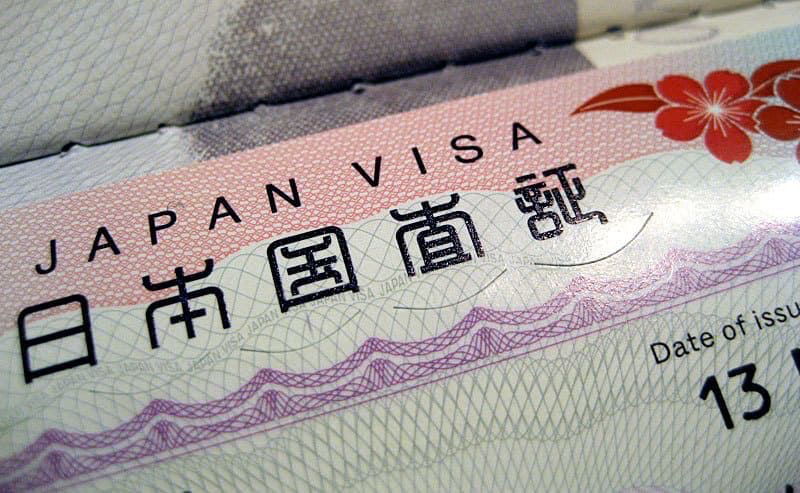
For many foreigners in Japan especially students, workers, and families this news has created a lot of discussion and confusion. As someone living in Japan and sharing my experiences online, I wanted to explain what this change actually means, why Japan is doing it, and how it could affect foreign residents like us.
A Major Change to Japan’s Immigration Fees
In March 2026, the Japanese government approved a bill to revise the Immigration Control and Refugee Recognition Act, the law that governs visa and residency procedures for foreign nationals.

This revision would raise the legal cap on immigration fees for the first time in more than 40 years.Currently, most residency-related applications have a maximum fee limit of ¥10,000. Under the proposed changes, those limits could increase significantly.
For example:
• Visa renewal or change of residence status Current cap: ¥10,000 Possible new cap: ¥100,000
• Permanent residency applications Current cap: ¥10,000 Possible new cap: ¥300,000
Officials have indicated that the actual permanent residency application fee could be around ¥200,000 in the future.
That’s a huge jump compared to the current ¥10,000 fee.
How Much Visa Fees Could Increase
Right now, most foreign residents pay about ¥6,000 when renewing their visa or changing their status of residence.
Under the new proposal, Japan is considering a tiered system, where the fee depends on how long your visa is valid.
| Visa Duration | Estimated Fee |
|---|---|
| Short stays (up to 3 months) | Around ¥10,000 |
| One-year visas | Around ¥20,000 – ¥30,000 |
| Five-year visas | Around ¥70,000 |
This means people with one-year visas such as many students or contract workers might feel the biggest impact since they must renew their visas more frequently.

Permanent residency is where the largest increase may happen.
The application fee could jump from ¥10,000 to around ¥200,000. For many people, that makes permanent residency a much bigger financial decision.
Why Japan Is Raising Visa Fees
The Japanese government has given several reasons for the proposed increase. One major factor is the rapid growth of foreign residents in Japan. According to government data, the number of foreign residents reached about 4.13 million in 2025, the highest in Japan’s history.

Managing this growing population requires more resources, including:
• Immigration administration
• Digital immigration systems
• Foreign resident support programs
• Language and integration services
Officials say the additional revenue could help fund programs such as:
• Japanese language education support
• Assistance services for foreign residents
• Digital immigration systems
• Border and residency management
Another reason is that Japan’s immigration fees have historically been very low compared to other developed countries. In countries like the United States, United Kingdom, and Canada, immigration-related fees are already significantly higher. However, many foreign residents in Japan earn local-level salaries, so even moderate increases could still have a noticeable financial impact.

Is the New Permanent Residency Fee Too High?
One point that many foreign residents are discussing is the possible cost of permanent residency.
Reports suggest that the PR application fee could rise to around ¥300,000, compared to the current ¥10,000.
To put it into perspective, the average monthly salary for many workers in Japan is around ¥250,000~¥300,000 before taxes. After taxes, insurance, rent, and living costs, saving large amounts quickly is not always easy.
Because of this, some foreign residents feel that paying around ¥300,000 just for the PR application process may be difficult, especially for young workers, or people supporting families.
What This Means for Foreign Residents
For most people currently living in Japan, the biggest impact will be on visa renewals and long-term planning.If you’re on a one-year visa, you may need to plan for higher renewal costs in the future. Families may also feel the impact more strongly because every family member must pay their own immigration fees.

Permanent residency will likely become a more serious financial decision as well. However, permanent residency still offers major advantages:
• Long-term stability
• Freedom to change jobs more easily
• No need to renew visas every few years
• Greater flexibility for living in Japan
Another possible effect is on employers. Some companies already cover visa renewal costs for foreign employees.
If fees increase significantly, visa expenses may become part of salary negotiations or employment benefits.
When Will These Changes Take Effect?
The new fees are not active yet.
First, the bill must pass through the National Diet of Japan (Japan’s parliament).
After that, the government will finalize the actual fee structure through cabinet orders.
Current estimates suggest the changes could be implemented before March 2027.Until then, the current visa fees will remain the same.
Follow My Journey in Japan
If you enjoy content about living and working in Japan, you can follow me here.