
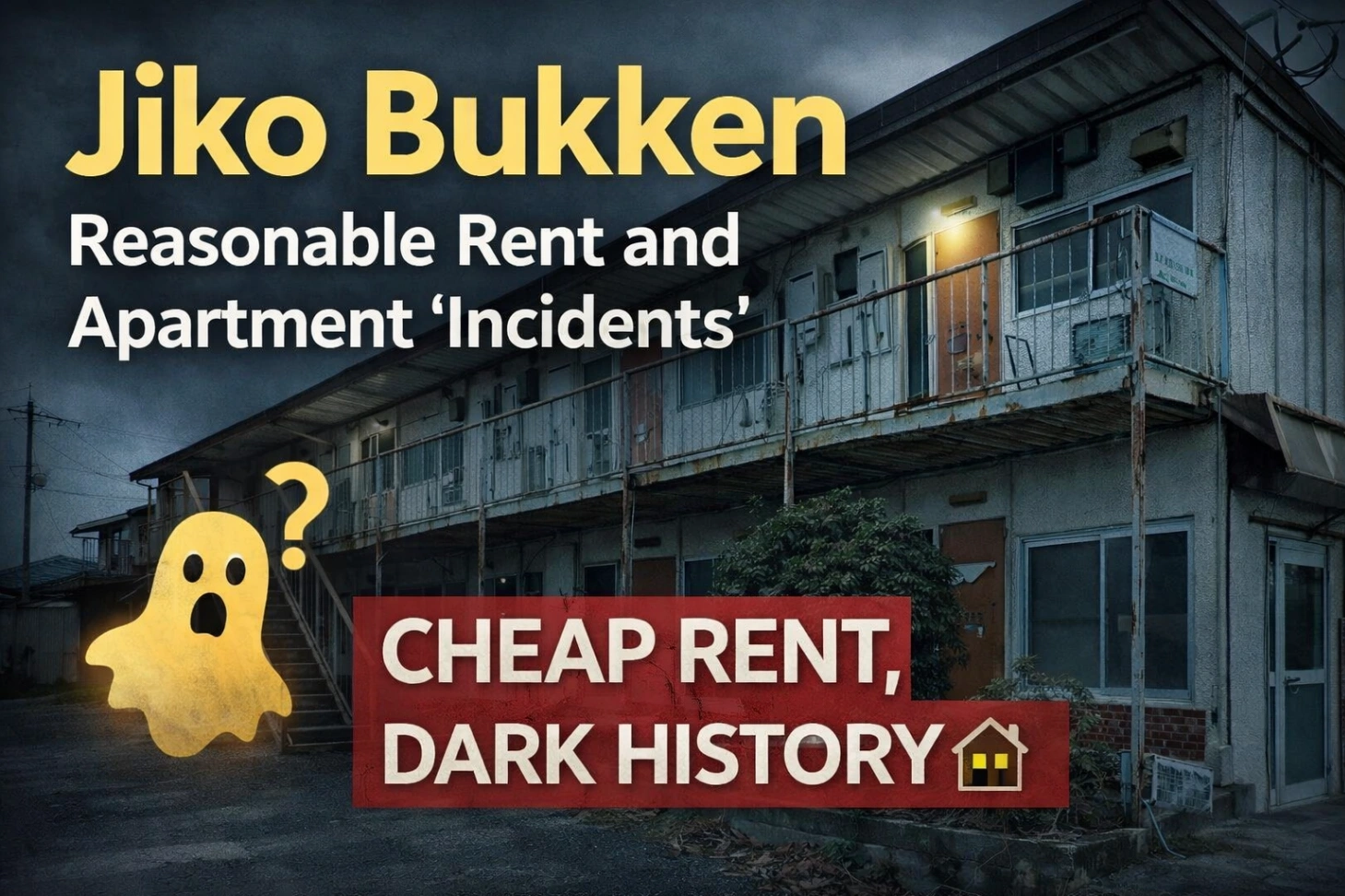
Cheap Rent, Dark History & The Hidden Side of Japanese Real Estate
When people dream about living in Japan, they imagine clean apartments, safe neighborhoods, and ultra-modern cities. What most people don’t know is that Japan’s real estate market has a very unique and slightly dark category of properties.
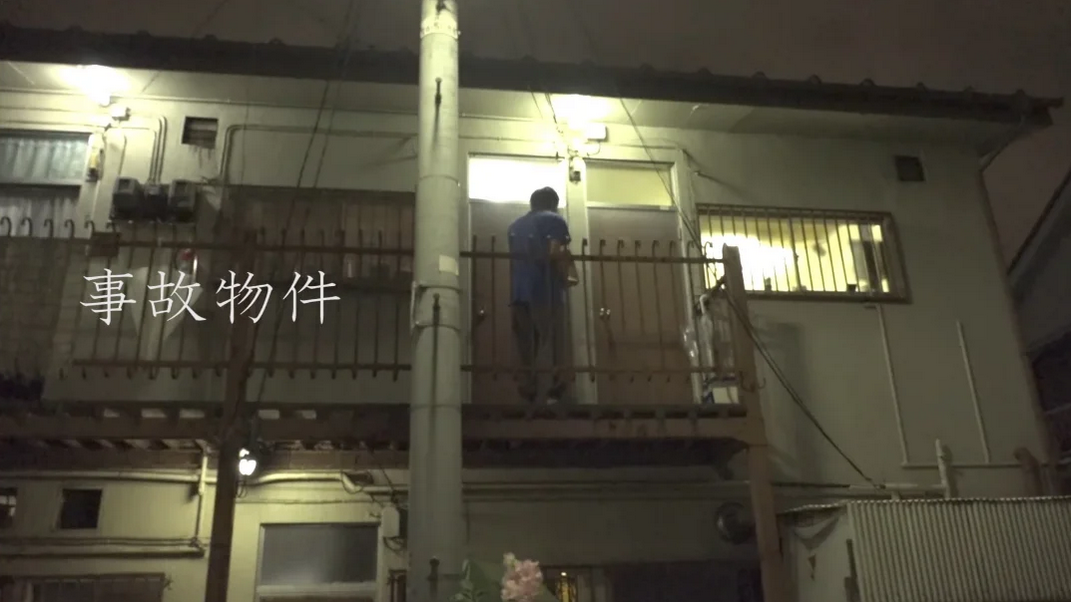
They are called 事故物件 (Jiko Bukken) “incident apartments.”
If you’re apartment hunting in Japan and suddenly see a place that’s 30–40% cheaper than everything else in the area… this might be why.
Let me explain it properly.
What Is a Jiko Bukken?
Jiko Bukken literally means “incident property.” These are apartments or houses where a death or serious incident happened in the past.
This could include:
• Suicide
• Murder
• Accidental death
• Fire-related death
• Lonely death (孤独死 – when someone passes away alone and isn’t discovered for some time)
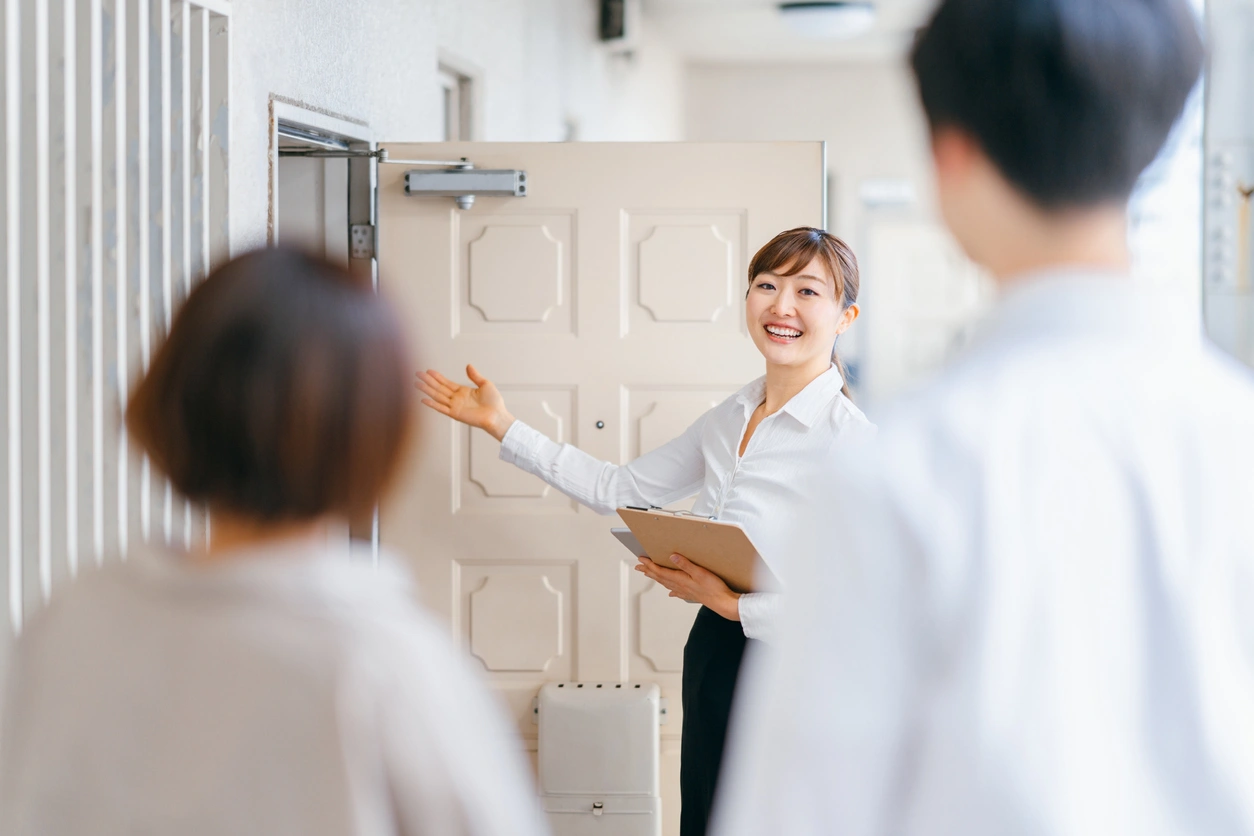
“We swear it’s completely safe…now.”
In Japan, landlords are legally required to disclose serious incidents to new tenants. Because of this, these properties carry a psychological stigma. And stigma means lower rent.
Why Are They So Cheap?
Japanese culture places strong importance on spiritual cleanliness and harmony. Even if the apartment is physically perfect, many people feel uncomfortable living in a place where something tragic occurred.
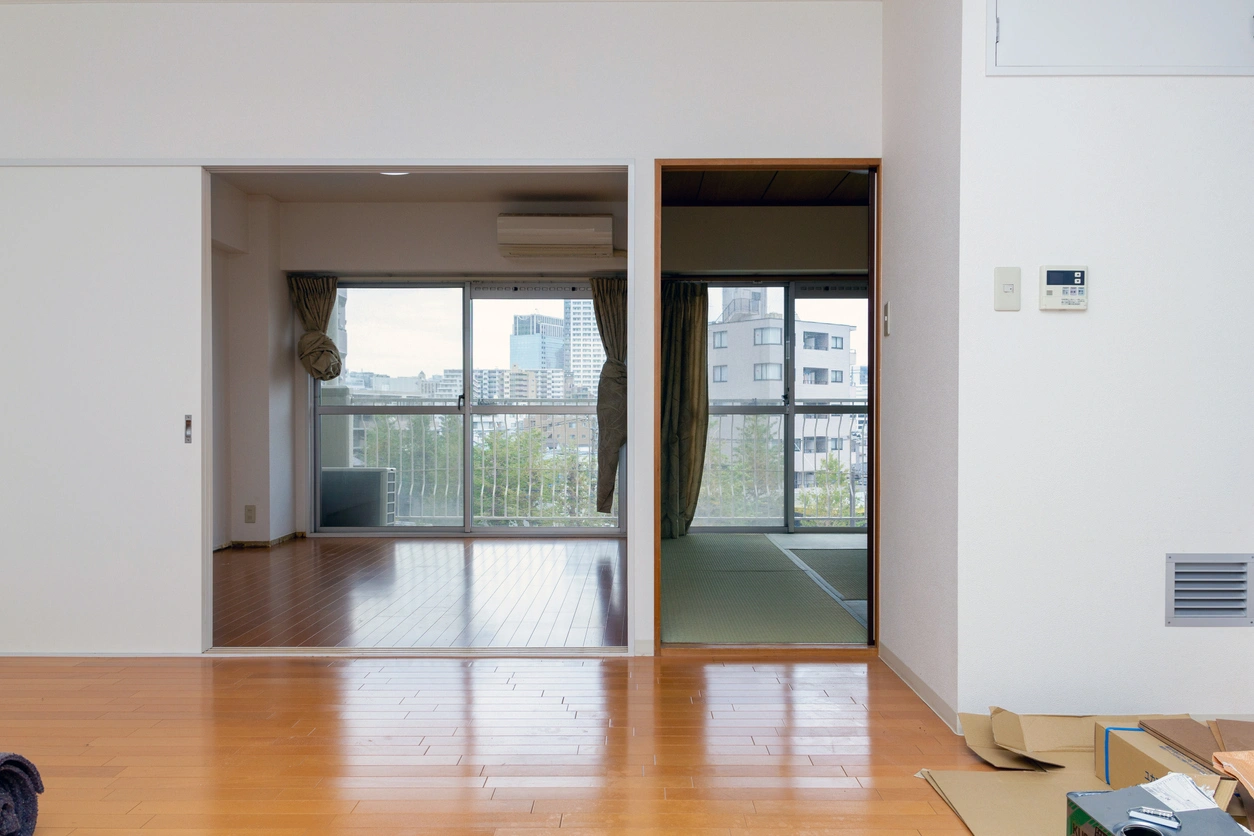
Wow. Perfect!…A little TOO perfect…
This is why they are sometimes called: 心理的瑕疵物件
Psychologically defective property, Because demand is lower, rent is reduced. Sometimes dramatically.
For students, foreigners, or anyone on a tight budget, this can feel like an opportunity. But there’s more to know.
The Dark Reality Behind the Words
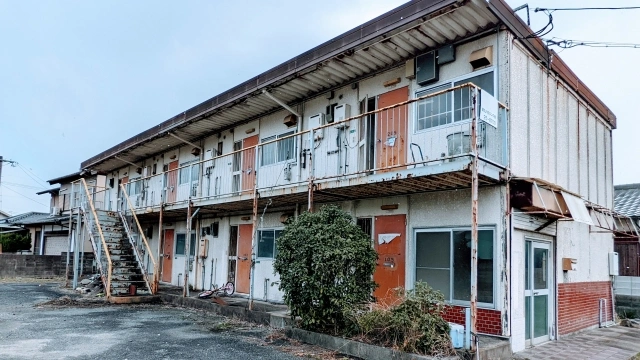
<br>
Japanese real estate descriptions can sound surprisingly neutral.
| Japanese Term | Meaning in English |
|---|---|
| 事故死 | Accidental death |
| 自殺 | Suicide |
| 孤独死 | Lonely death |
| 火災による死亡 | Death by fire |
Sometimes listings don’t go into detail. Sometimes they do. And when they do, it can get very specific. This is where things become uncomfortable.
How to Check If an Apartment Is a Jiko Bukken
There is a website in Japan that maps many of these properties. It’s called Oshimaland.
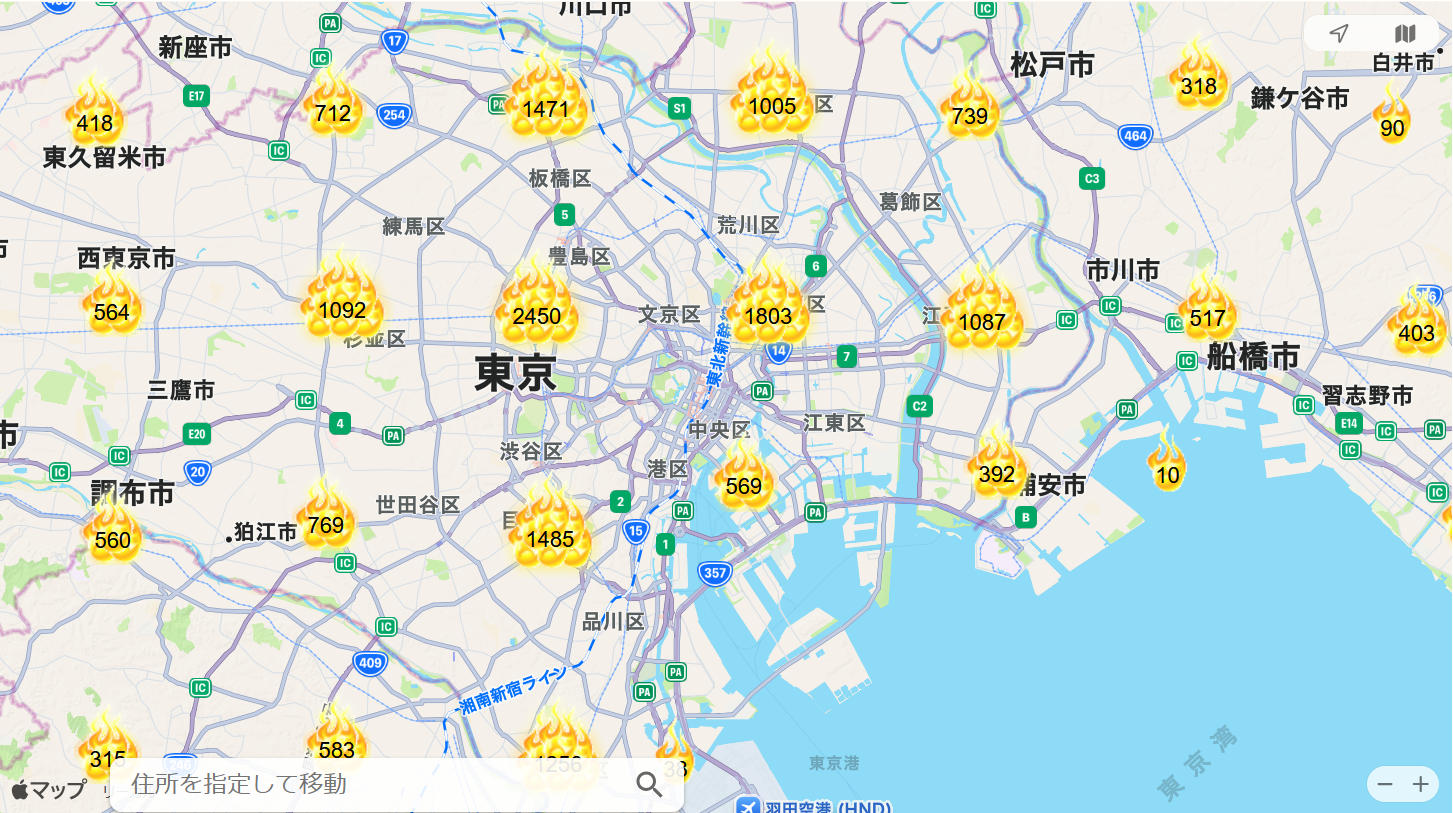
Oshimaland shows incident locations on a map with short descriptions of what happened. It’s very direct and factual. No drama. Just information. Before signing a contract, many people quietly check Oshimaland to see if their potential apartment appears there. If the price looks too good to be true, it’s worth checking.
The Cultural Side of Jiko Bukken
This topic is not just about cheap rent. It reveals something deeper about Japanese society.
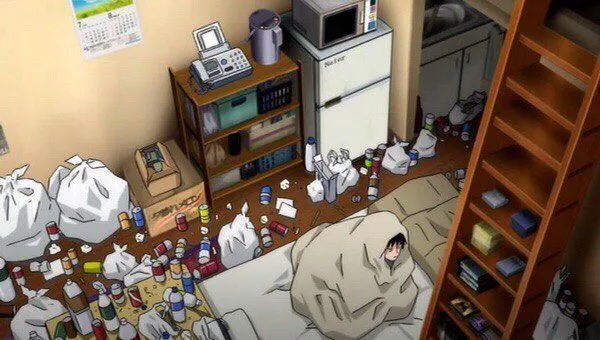
Japan is one of the safest countries in the world, but it also faces:
• High suicide rates
• Aging population
• Increase in lonely deaths
• Social isolation
Jiko Bukken properties reflect these social realities.
Some people see them as unlucky places. Others see them as simply real estate with history. Interestingly, after one tenant moves in, the landlord may no longer need to disclose the incident to the next tenant. This means sometimes the first renter gets the biggest discount.
Would I Recommend Renting One?
Honestly, it depends on your personality.
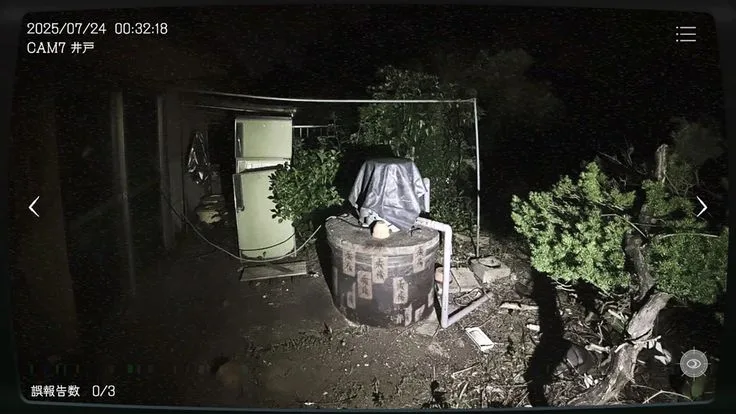
<br>
If you’re practical and don’t believe in spiritual stigma, you might save a lot of money. If you are sensitive to atmosphere or easily influenced by psychological thoughts, it might not be worth the stress.
Before deciding:
Visit the apartment at night
Check Oshimaland Ask the real estate agent directly
Trust your intuition
Saving money is important. Peace of mind is more important.
Final Thoughts
Jiko Bukken are one of the most fascinating parts of Japanese real estate culture. They show how deeply culture, psychology, and property laws are connected in Japan.
For some people, it’s just an apartment.For others, it’s something they would never consider.
If you’re moving to Japan and want to understand the real side of life here, not just the Instagram version, this is one of those topics you need to know.
Japan has beauty. Japan has safety. And like every country, Japan also has its shadows.
Understanding both sides makes you smarter when living here.
Follow My Journey in Japan
If you enjoy content about living and working in Japan, you can follow me here.