
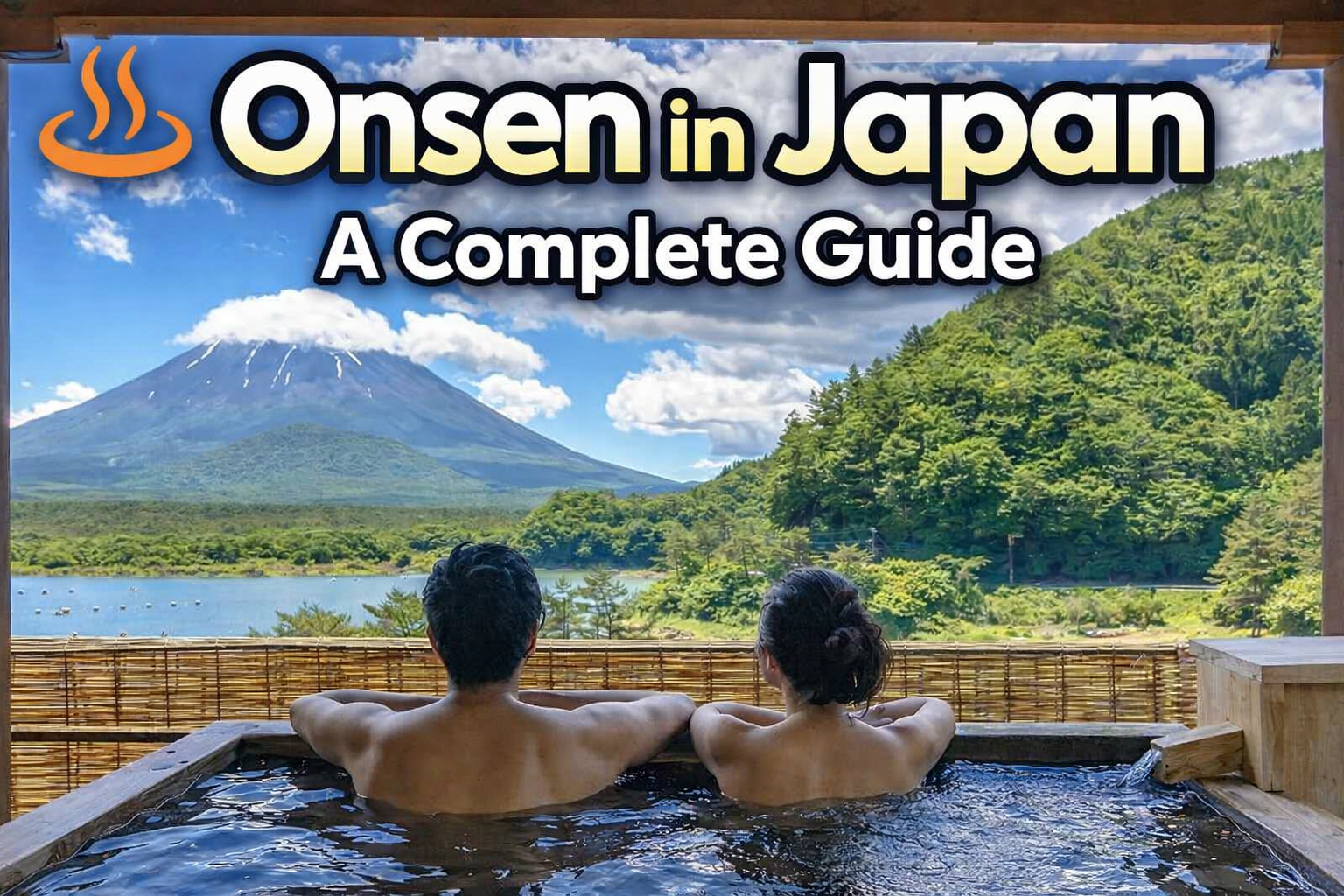
♨️ Onsen in Japan: A Complete Guide for foreigners
What to Do, What NOT to Do (From Nikhil-kun’s Real Experience)
If you’re Indian and living in Japan or even just visiting there’s one experience that almost everyone is curious about but secretly nervous to try: onsen.
I remember my first time clearly. I stood in the changing room, towel in hand, thinking: “That’s it? Completely naked?” 😅
If you’ve had similar thoughts, trust me you’re not alone. After living in Japan for years and visiting many onsens across the country, I can confidently say this: onsen culture looks intimidating, but it’s actually one of the most peaceful things you’ll experience in Japan.
Let me explain it properly, no awkward Google explanations, just real talk.
What Exactly Is an Onsen?
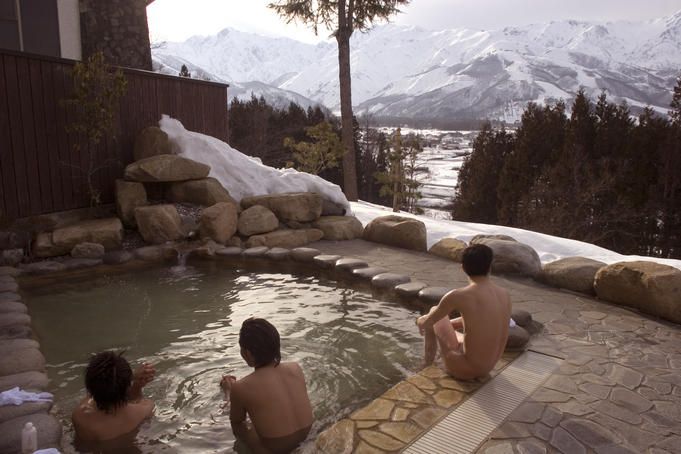
An onsen is a natural hot spring bath, powered by geothermal heat. Japan has thousands of them because the country sits on volcanic land. For Japanese people, onsens aren’t luxury spas they’re a normal part of life.
After a long workday, during winter, or even on a random weekend, people go to onsens to relax their body, calm their mind, and reset. It’s less about bathing and more about mental silence.
The First Cultural Shock: Yes, Everyone Is Naked
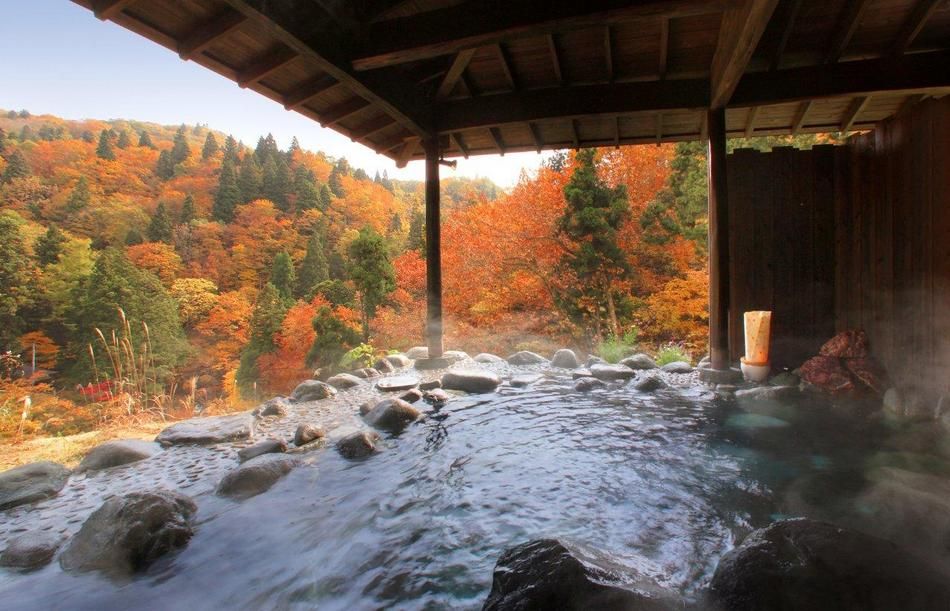
Let’s be honest for Indians, this is the biggest hurdle.
No swimsuit. No shorts. No towel covering anything.
The first time feels uncomfortable, especially if you grew up associating bathing with privacy. But here’s something interesting: nudity in Japan is not sexualized. People don’t stare, judge, or care. Old men walk around confidently, kids splash calmly, and everyone just exists.
Within 5–10 minutes, your brain switches from “this is awkward” to “why was I scared?”My First Onsen Experience
My First Onsen Experience
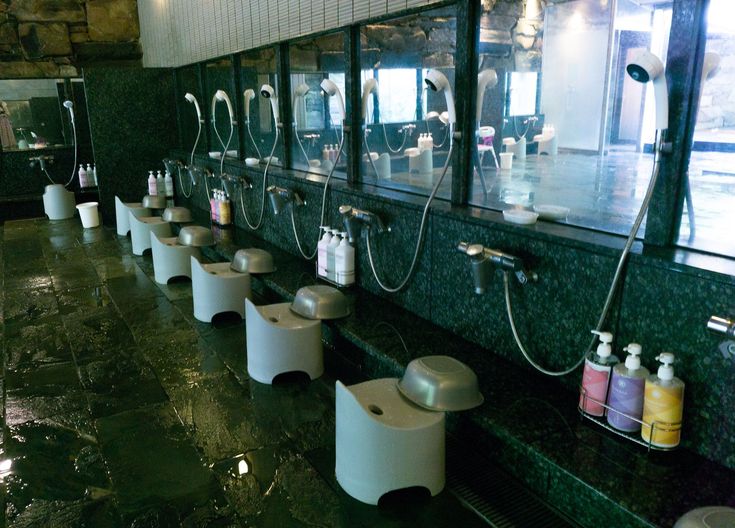
I won’t lie, I hesitated. I observed others carefully before doing anything. But once I followed the flow, everything made sense.
Before entering the bath, you’re expected to wash your body properly. This part is extremely important. You sit on a small stool, shower thoroughly, and rinse off completely. Only then do you enter the onsen water.
This rule clicked with me immediately. The bath itself is for soaking, not cleaning. Once you understand this, onsen culture starts feeling logical, not strange.
The Water Is HOT (No, Seriously)
Onsens are not warm. They are hot hot.
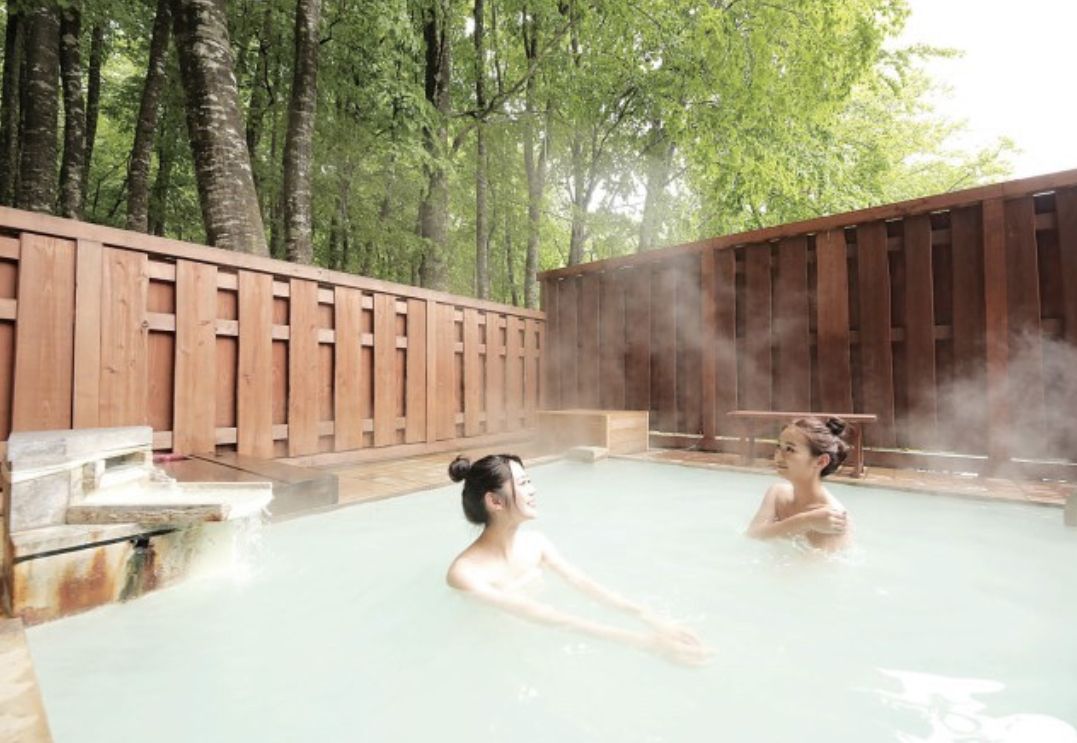
The first time you step in, your body reacts instantly. The correct way is to enter slowly sit, dip your legs, breathe, and ease in. Jumping in like a swimming pool is a mistake you’ll only make once 😭
But after a minute or two, something magical happens. Your muscles relax, your breathing slows down, and your thoughts go quiet. That’s when you understand why Japanese people swear by onsens.
Tattoos & Onsens: My Honest Experience
This is where most foreigners get confused.
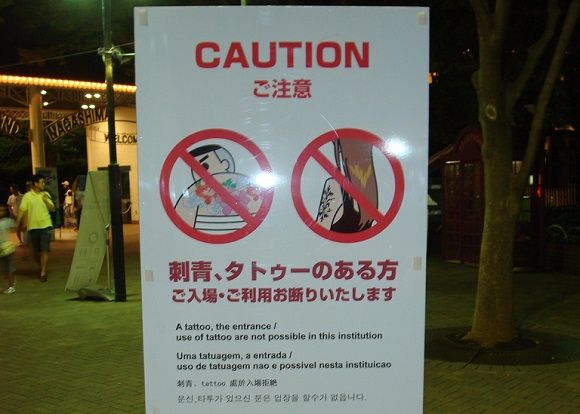
I personally have two small tattoos, about the size of a coin. Naturally, I was worried at first. Tattoos in Japan are traditionally associated with the yakuza, which is why many onsens restrict them.
Here’s the reality in 2025:
- Small tattoos are usually not a big issue
- Most onsens allow tattoo cover stickers
- If you ask politely, staff are often understanding
I’ve used cover stickers many times and never faced trouble. The key is respectful communication. Even broken Japanese with a polite attitude works.
If your tattoo is large or very visible, the safest option is choosing a tattoo-friendly onsen or booking a private onsen.
Why Private Onsens Are Perfect for Beginners
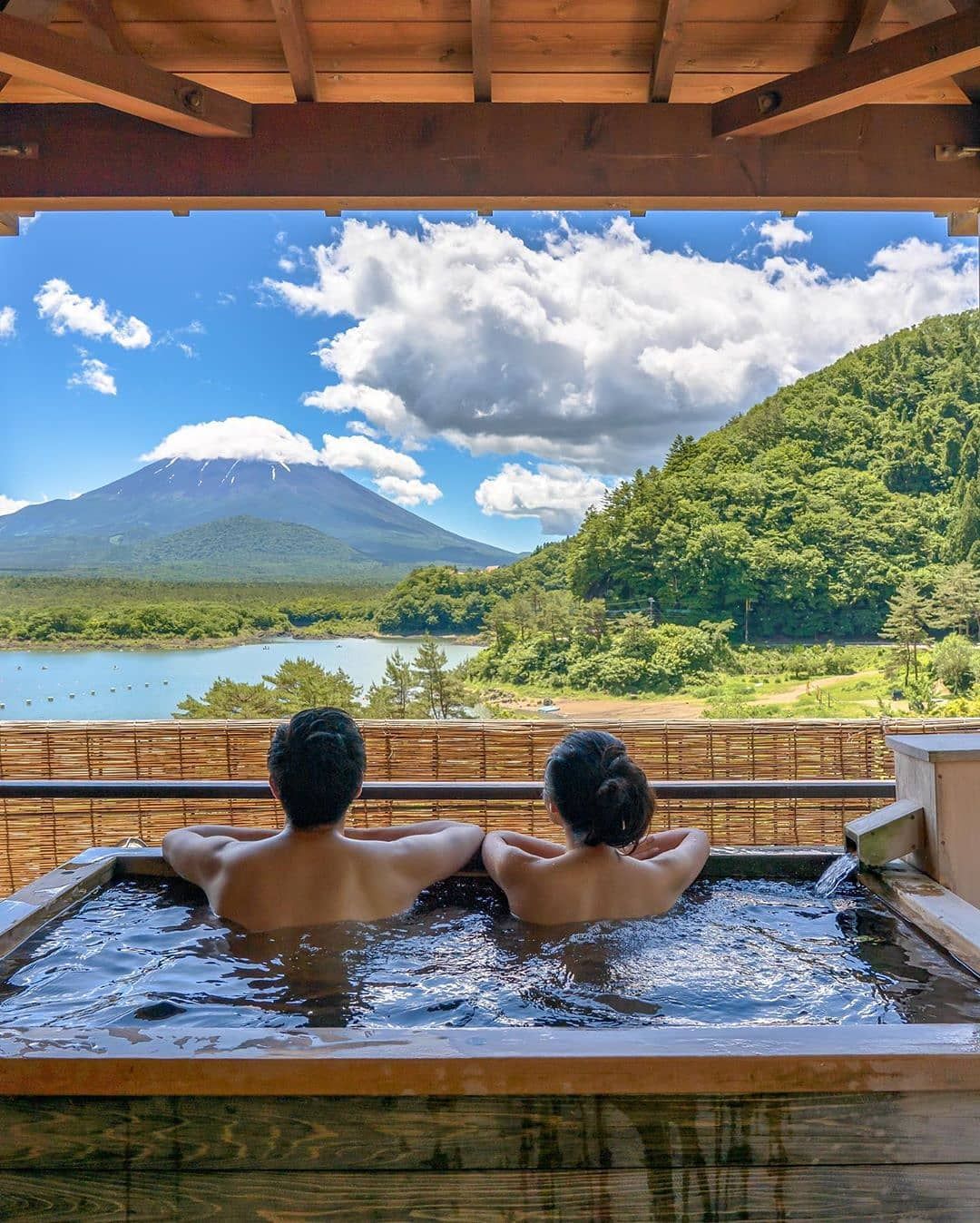
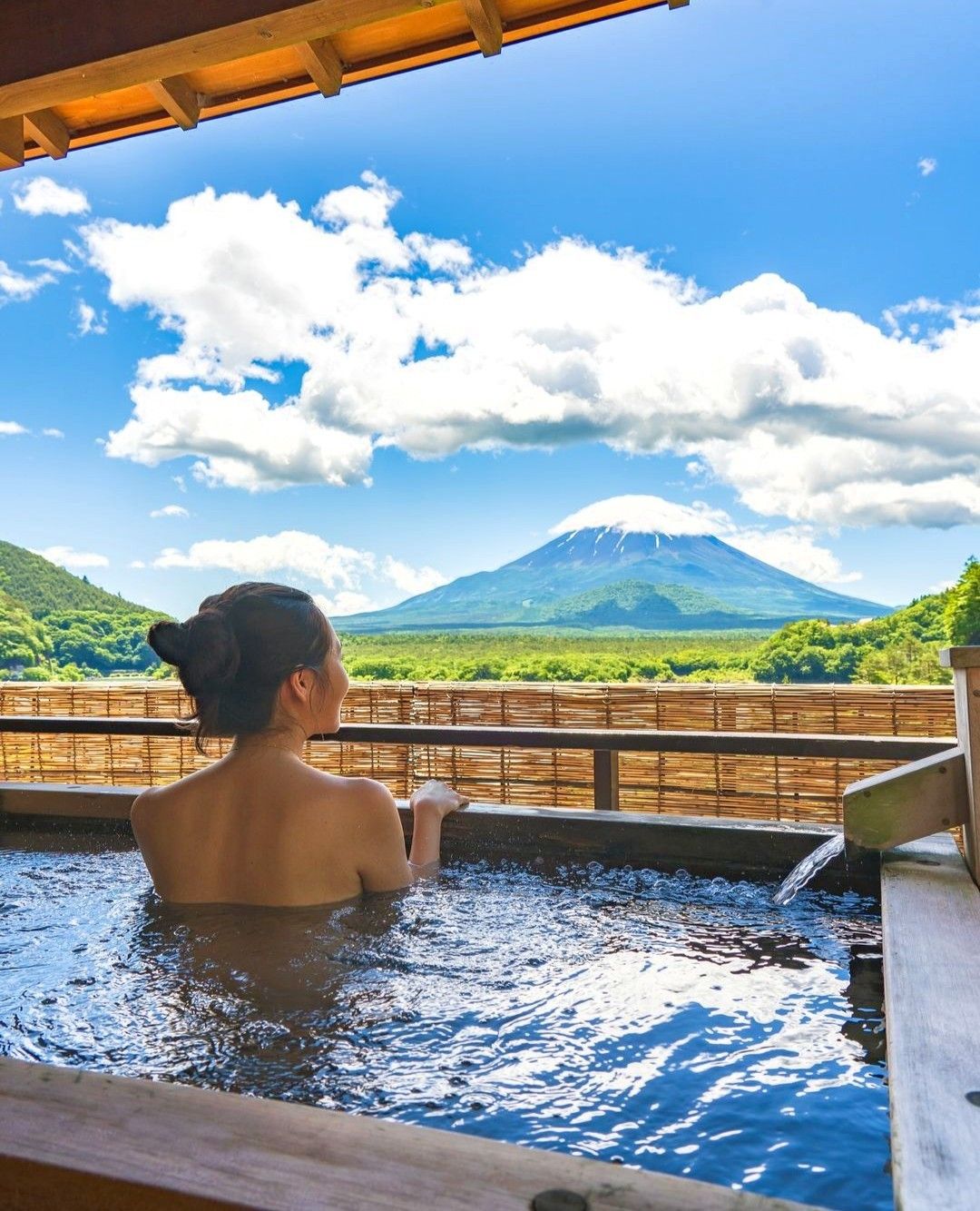
If you’re feeling shy, unsure, or just want to relax without worrying about rules, private onsens are a blessing.
They’re especially common in places like Hakone, Kawaguchiko, Beppu, and traditional ryokans. You can enjoy the onsen alone or with your partner, fully stress-free.
Yes, they cost more, but for first-timers, it’s worth every yen.
♨️ What About Sento? (Onsen’s Everyday Cousin)
Before coming to Japan, I thought onsen and sento were the same thing. They’re not.
A sento (銭湯) is a public bathhouse, usually found inside cities and residential areas. Unlike onsen, sento water is heated tap water, not natural hot spring water. But culturally, the rules and experience are very similar.
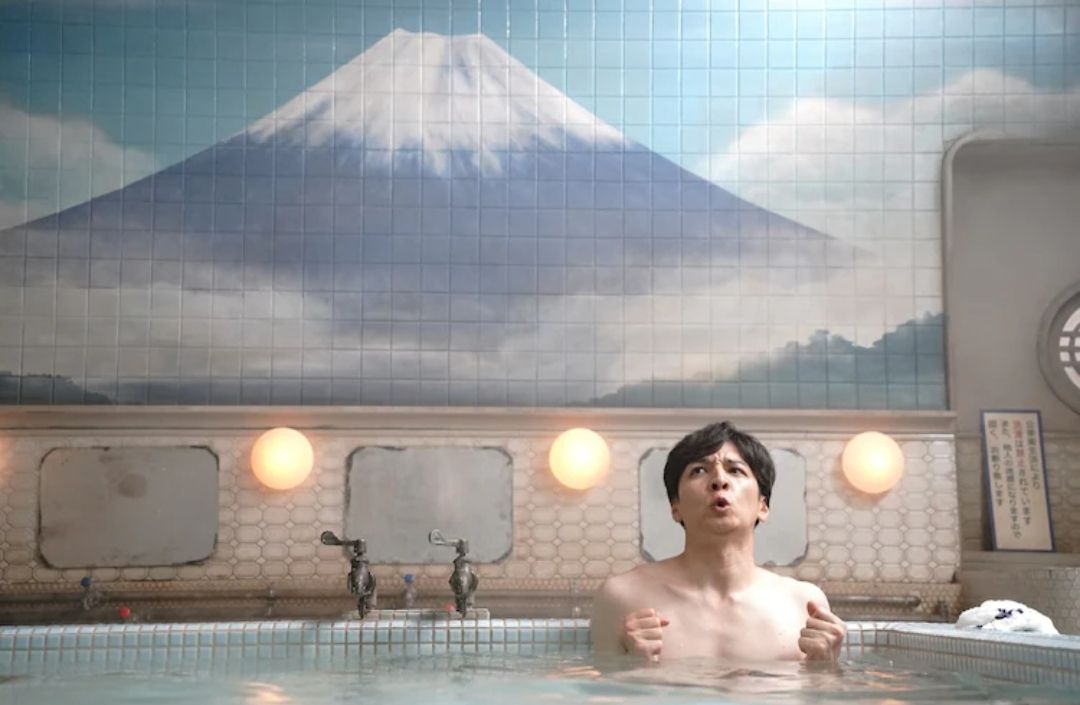
Many Japanese people still go to sento because:
- Their apartments have small bathrooms
- It’s cheaper than onsen
- It’s part of old-school local culture
For foreigners, sento can feel even more intimidating, because it’s more local, less touristy, and people there are regulars.
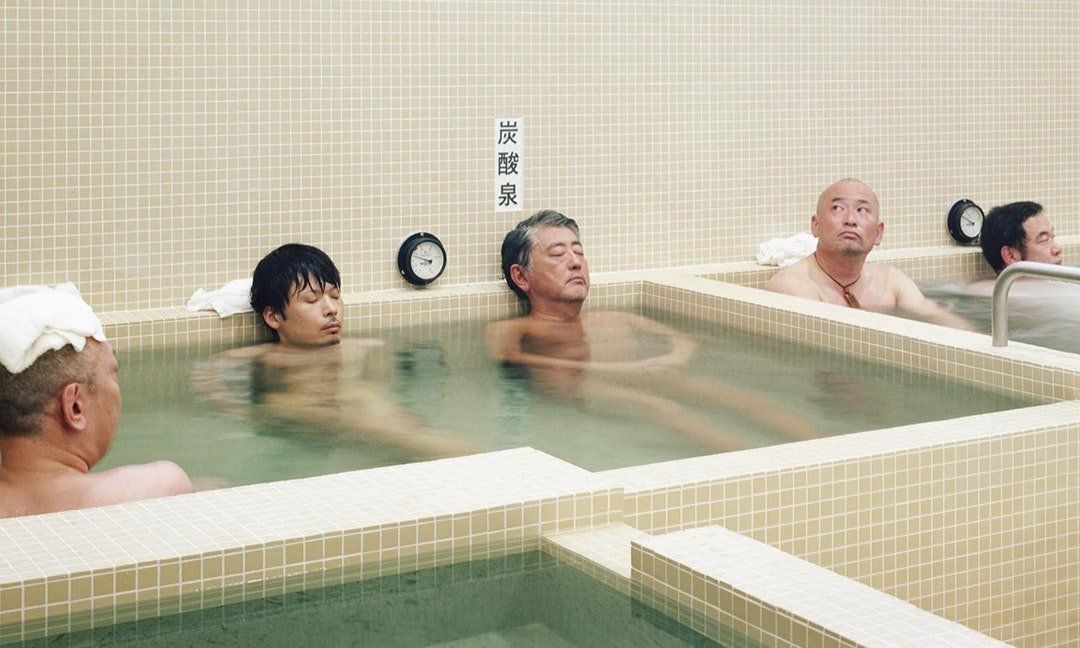
Onsen vs Sento (Simple Explanation)
The experience feels similar: You wash first, soak quietly, relax, and leave refreshed.
The main difference is:
- Onsen → natural hot spring, often in tourist areas or ryokans
- Sento → everyday neighborhood bath, very local vibes
Honestly, if you’re comfortable with onsen, sento won’t feel strange at all. In fact, I find sento more authentic sometimes.
Important Reality Check: Even Swimming Pools Can Shock You 😅
Now this is something almost no one tells Indians before coming to Japan.
If you think, “Okay, onsen is naked, but pools will be normal,” you’re wrong.
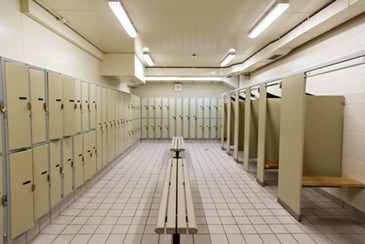
In Japan, many public swimming pools also have open changing rooms.
That means:
- People fully change clothes openly
- Nudity is completely normal
- No curtains, no cubicles like in India
The first time I went to a public pool changing room, I was more shocked than my first onsen visit 😭
People of all ages just casually change, chat, dry hair, and leave, no awkwardness, no judgment.
This is not about being bold. This is about cultural normalcy.
Why Nudity Feels Different in Japan
Here’s something important to understand:
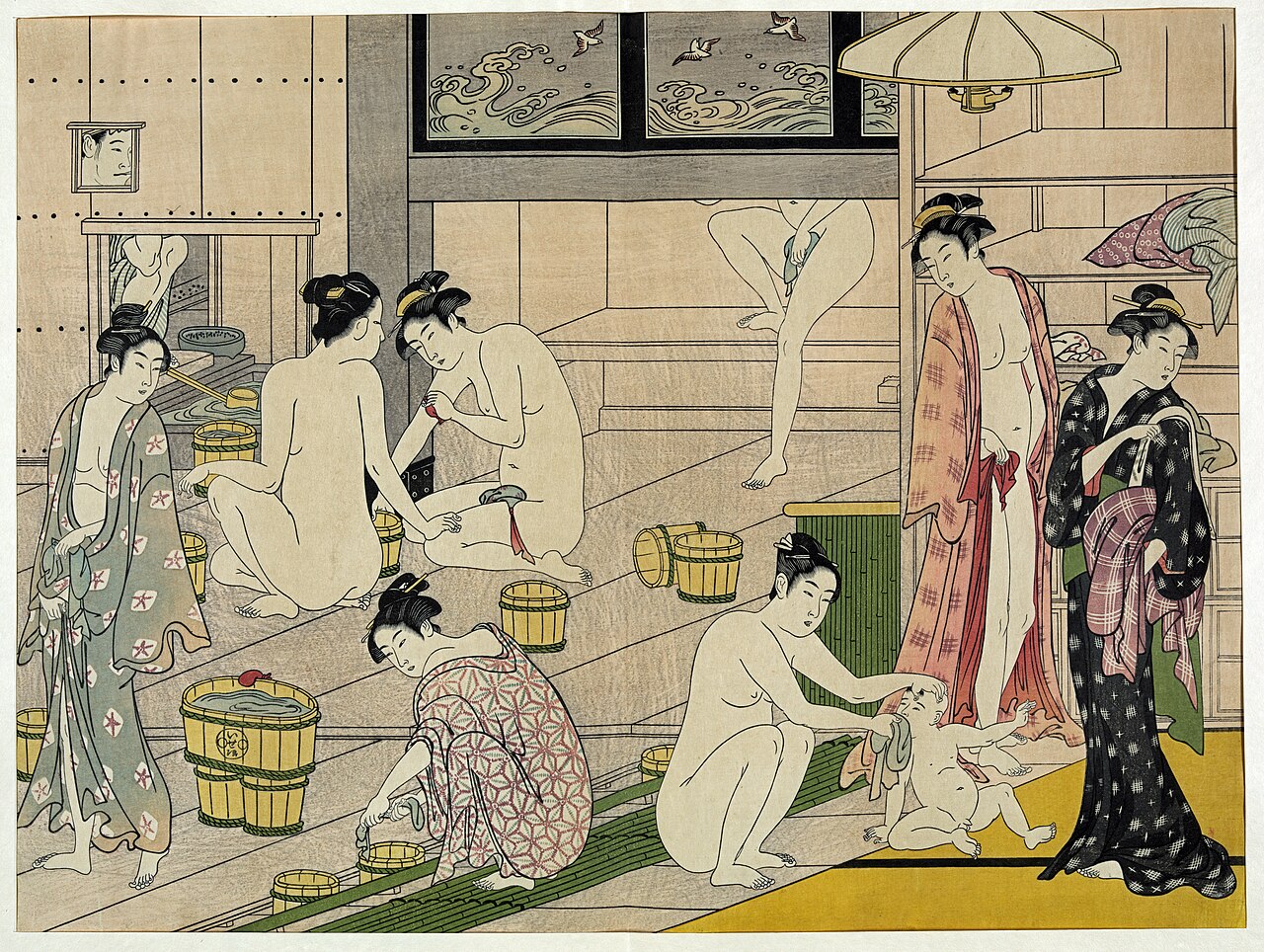
In Japan, nudity ≠ sexuality.
Bathing spaces, sento, onsens, and changing rooms are treated as:
- Functional
- Clean
- Neutral
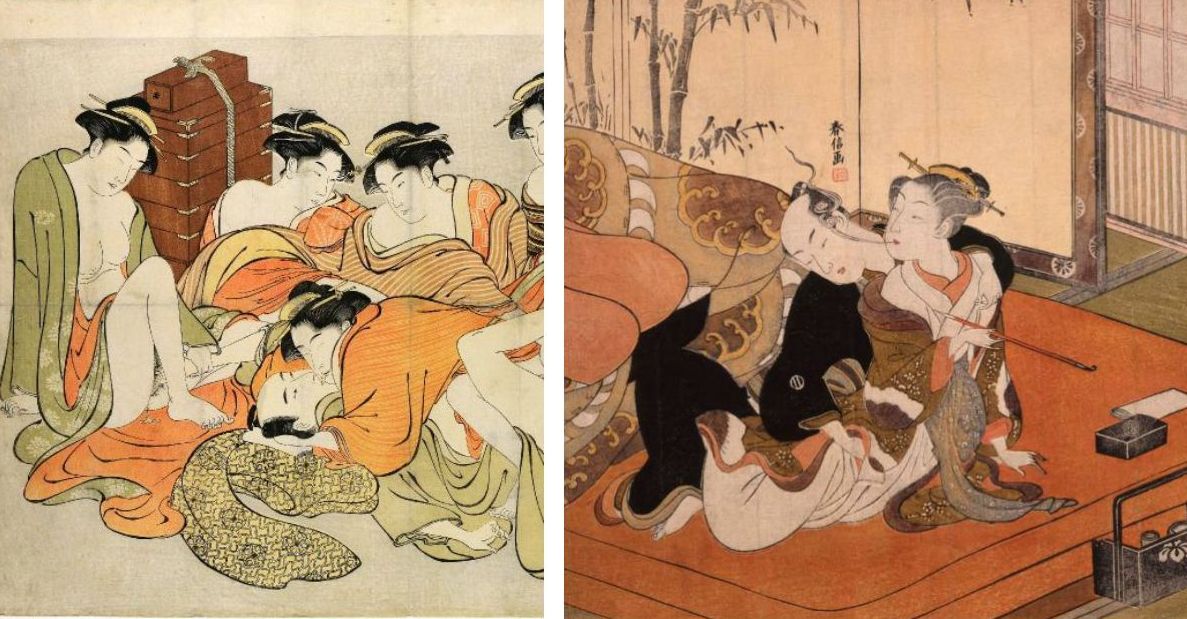
Once you realize this, your mindset shifts. You stop associating nakedness with embarrassment and start seeing it as… just a body.
And honestly? That mindset is kind of freeing.
Things That Make Onsens Peaceful (And Why You’ll Love It)
Onsens are quiet spaces. No phones. No music. No loud conversations. At first, this silence feels strange, especially if you’re used to noisy cities and constant stimulation.
But that silence slowly becomes comforting.
You start noticing:
- The sound of water
- Your own breathing
- The warmth relaxing your body
It’s one of the few places in Japan where time feels slower.
Common Mistakes Indians Make (Learn From Others 😅)
I’ve seen a few things that definitely stand out:
- Entering the bath without washing
- Using towels inside the water
- Talking loudly
- Treating it like a swimming pool
None of this is done with bad intention, it’s just cultural difference. Once you understand the flow, it becomes very natural.
Is Onsen Hygienic? (Short Answer: Yes)
This question comes up a lot.
Japanese onsens are extremely clean. Water is constantly filtered, rules are strict, and hygiene standards are very high. Honestly, some hotel bathrooms are less clean than good onsens.
Nikhil-kun’s Final Advice to Indians
If you’re living in Japan and avoiding onsens out of fear or confusion, you’re missing out on something special.
Onsen teaches you something very Japanese:
Comfort with silence, simplicity, and yourself.
Once you experience it properly, you’ll understand why so many people say their best sleep ever comes after an onsen.
And trust me, after your first good onsen experience, you’ll start looking for them everywhere.