
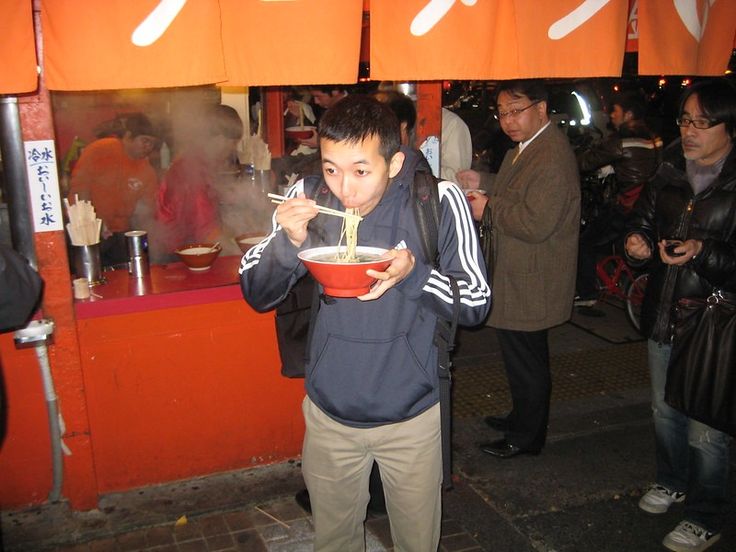
Strange Japanese Rules That Actually Make Sense 🇯🇵
(By Nikhil Kun – An Indian Influencer Living in Japan)
When people think of Japan, they often imagine anime, bullet trains, and polite people bowing everywhere. But once you actually live here, you start noticing some strange Japanese rules that feel confusing at first… and then slowly start to make perfect sense.
As someone who has been living in Japan for over 3 years, I can honestly say many of these “rules” make daily life smoother, cleaner, and less stressful.
Let me share a few that surprised me the most 👇
1. No Talking on the Phone in Trains 🚆
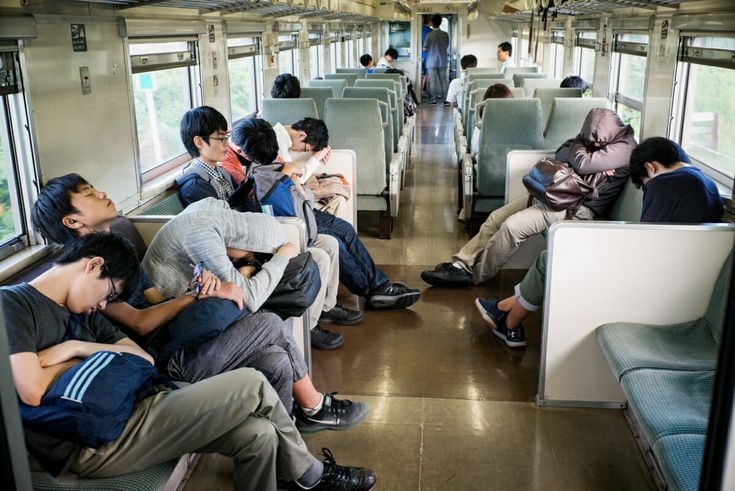
No Talking only sleeping lol
In Japan, talking loudly on the phone inside trains is considered rude. You’ll often see signs asking passengers to put phones on silent mode.
At first, I thought, “Why so strict?” But after experiencing rush hour in Tokyo, I understood.
Millions of people travel daily. If everyone talked loudly, trains would be chaotic. This rule keeps public transport calm and peaceful.
Why it makes sense: Less noise, less stress, more respect for personal space.
2. Trash Cans Are Rare, But Streets Are Clean 🗑️✨
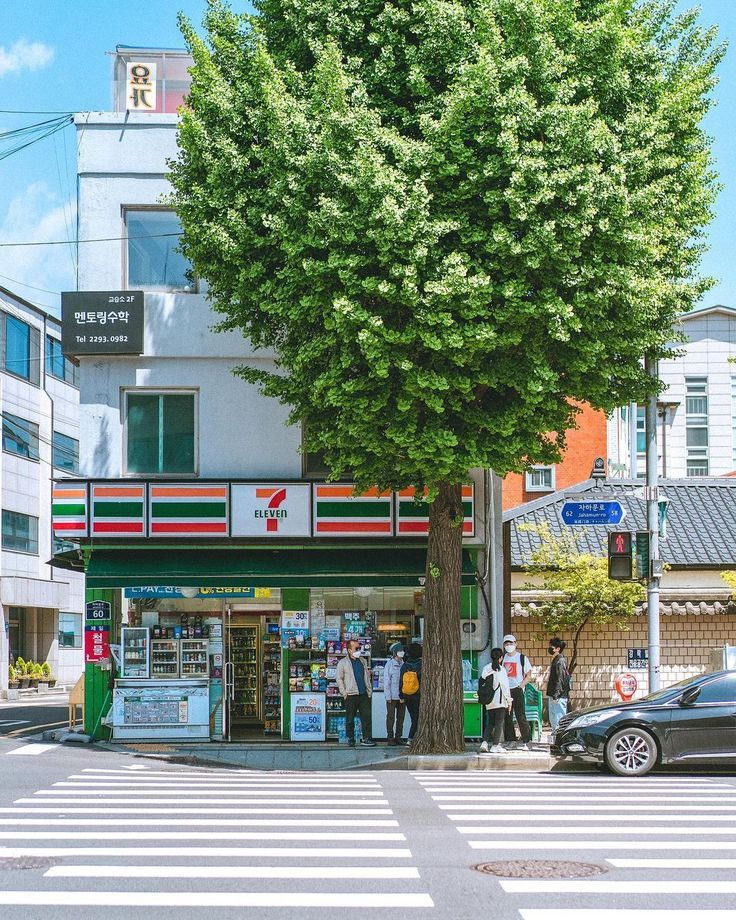
Clean Japanese street with no trash bins
One of the biggest shocks for tourists is the lack of public trash bins. Yet, Japan is one of the cleanest countries in the world.
The unspoken rule here is simple: 👉 Carry your trash home.
People are taught from childhood to take responsibility for their waste. No one expects cleaners to do it for them.
Why it makes sense: People litter less when they’re responsible for their own trash.
3. Shoes Off Inside Homes (and Sometimes Restaurants) 👟🚫
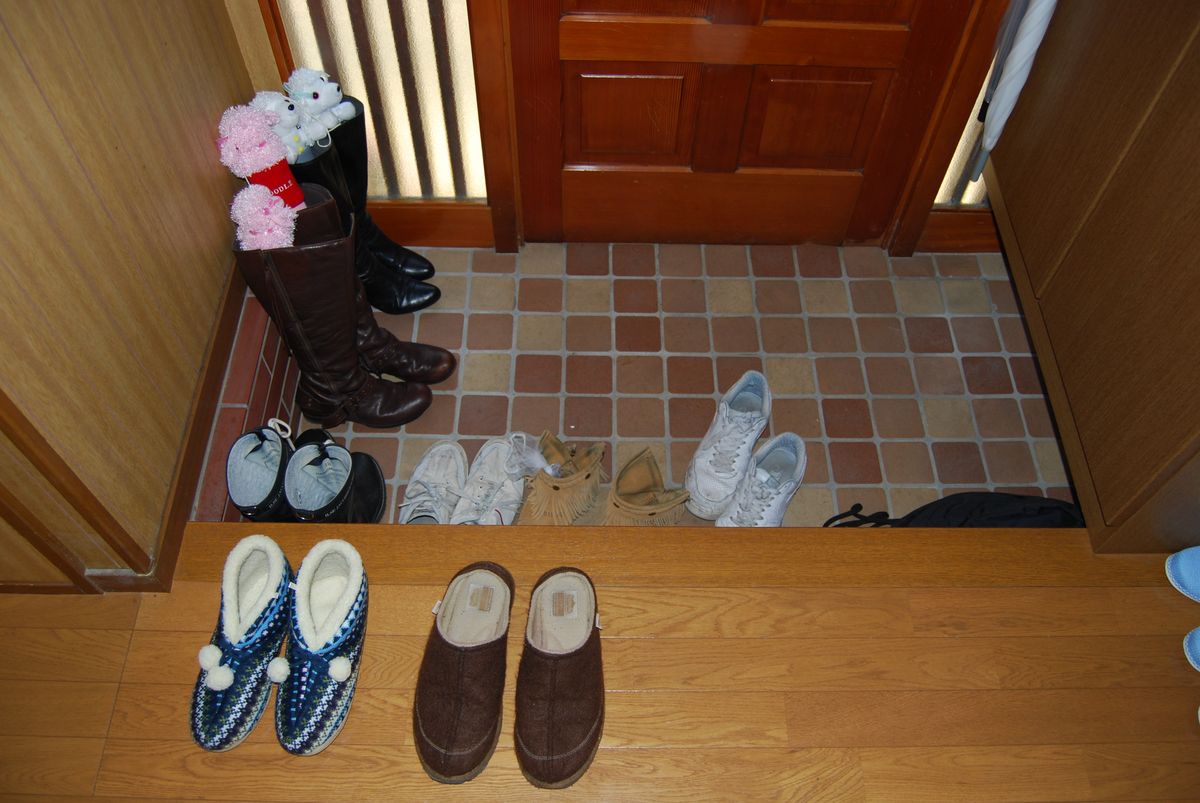
Genkan entrance with shoes placed neatly
In Japan, you must remove your shoes before entering homes, schools, and even some restaurants.
At first, it feels inconvenient. But after a while, you realize how clean indoor spaces stay.
Living here, I now feel uncomfortable wearing outdoor shoes inside anywhere.
Why it makes sense: Keeps dirt, germs, and pollution outside. Simple but effective.
4. Standing on One Side of the Escalator ⬆️⬇️
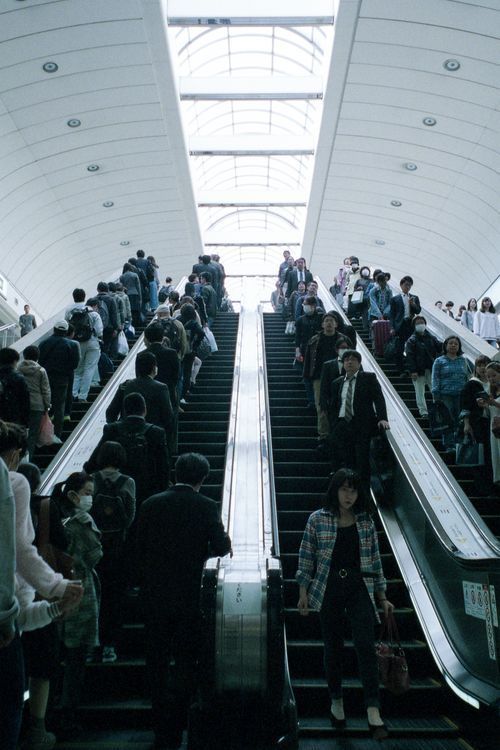
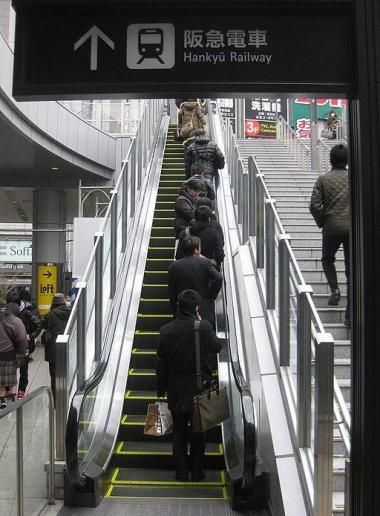
Escalator with people standing on one side
In Tokyo, people stand on the left side of escalators. In Osaka, it’s the right side.
This allows people in a hurry to walk past without pushing or shouting.
As an Indian, this rule amazed me. It’s not enforced by law, yet almost everyone follows it.
Why it makes sense:
Smooth flow, no arguments, no chaos.
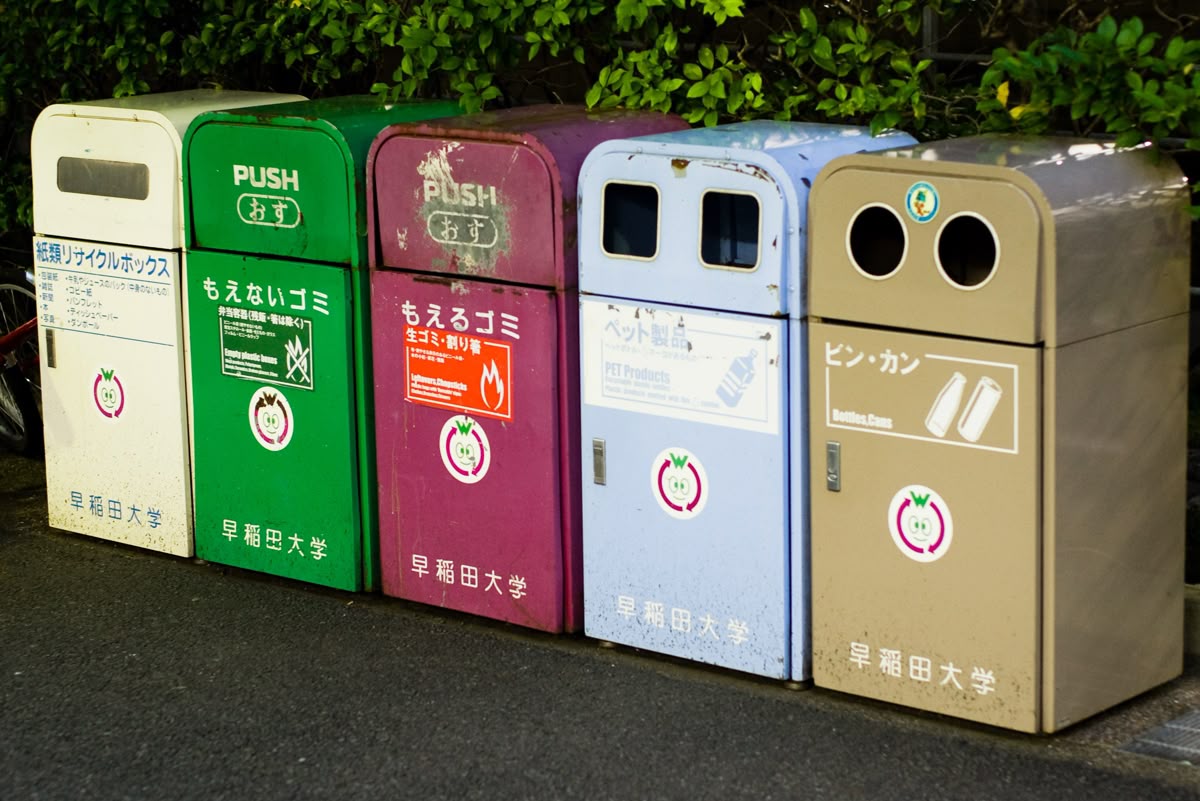
5. Strict Garbage Separation Rules ♻️
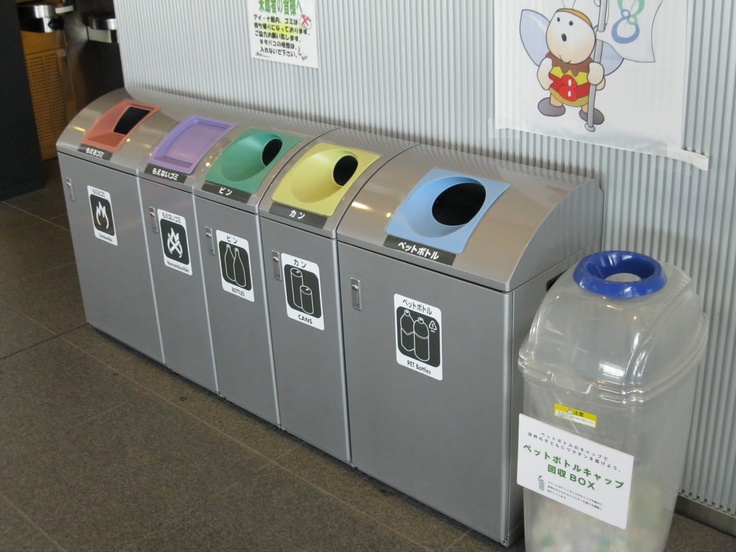
Japanese garbage separation guide
[Detailed Video by NIKHIK KUN ] ➡ click here
Japan has very detailed garbage rules. Burnable, non-burnable, plastic, cans, bottles,all separated.
When I first moved here, I made mistakes (yes, neighbors notice 😅).
But over time, I realized how efficient recycling becomes when everyone cooperates.
Why it makes sense: Better recycling, less landfill waste, cleaner environment.
6. Punctuality Is Taken Very Seriously ⏰
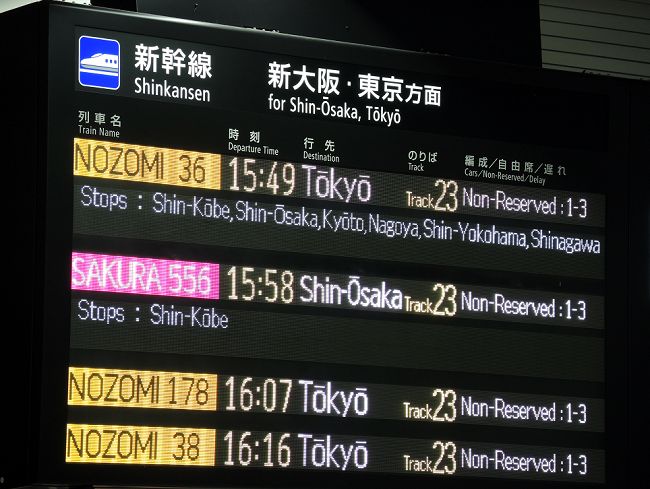
Japanese train schedule board
In Japan, being late by even 1–2 minutes can require an apology.
Trains apologize for delays of 30 seconds. That’s not a joke.
At first, it feels extreme. But once you rely on trains and schedules daily, you start appreciating how reliable everything is.
Why it makes sense: When everyone is punctual, life becomes predictable and efficient.
7. No Eating While Walking 🍡🚶♂️
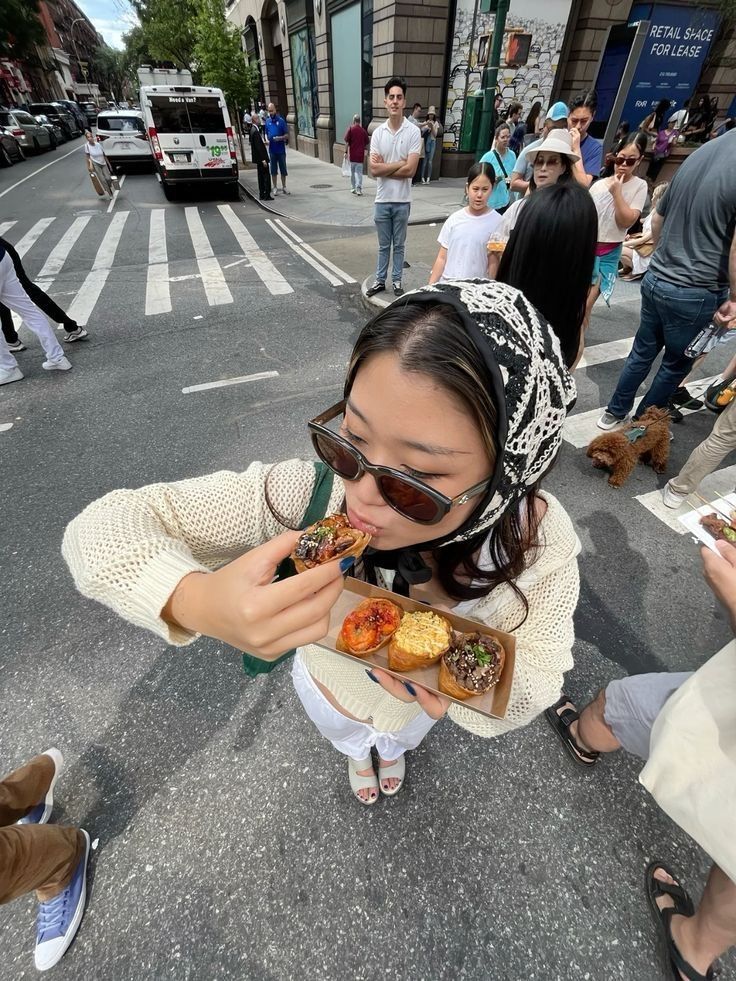

eating while walking
In many areas of Japan, eating while walking is discouraged.
Instead, people stand near shops or sit quietly to eat.
This reduces litter, spills, and makes public spaces cleaner.
Why it makes sense: More cleanliness and respect for shared spaces.
Final Thoughts from Nikhil Kun 🇮🇳 🇯🇵
At first, these Japanese rules feel strict, strange, or unnecessary. But after living here, I’ve realized one thing:
👉 These rules exist not to control people, but to make life easier for everyone.
Japan works so smoothly because people think beyond themselves.
If you’re planning to visit or move to Japan, understanding these rules will help you blend in faster and enjoy the country more deeply.
If you enjoyed this blog, follow Nikhil Kun for more honest Japan stories, travel tips, and real-life experiences from someone actually living here ✨