
Part-Time Jobs in Japan for Students
If you’re planning to study in Japan, one question always comes up:
Can I survive in Japan with a part-time job?
As someone who guides students regularly, I can tell you this honestly...yes, you can. But only if you understand the rules, income expectations, and the importance of Japanese language skills.
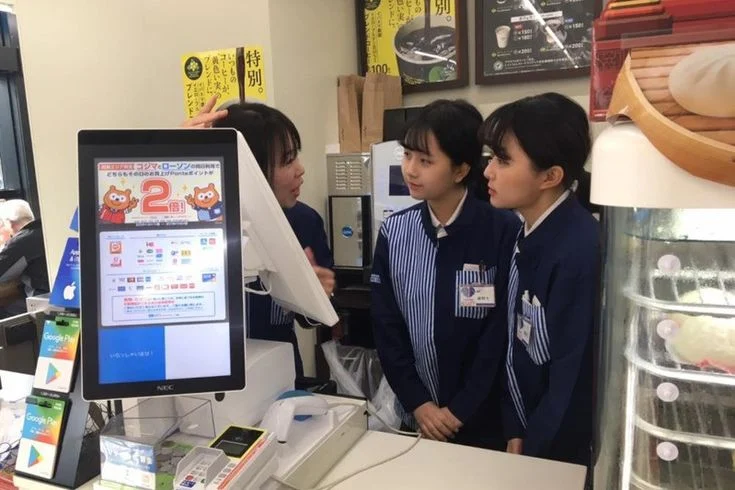
Many international students, especially from India and Southeast Asia, rely on arubaito to manage daily expenses. It helps financially, improves Japanese faster than any classroom, and gives real experience of Japanese work culture.
In this detailed guide, I will break everything down clearly: legal rules, salary expectations, Japanese level requirements, job hunting websites, and realistic monthly income.
Can International Students Work Part-Time in Japan?
Yes, but only under specific conditions. Japan is very strict about immigration rules.
If you hold a Student visa, you must apply for:
Permission to Engage in Activity Other Than That Permitted by the Status of Residence 資格外活動許可
Without this permission, you are not legally allowed to work.
• You can work up to 28 hours per week during school terms
• During long holidays such as summer or spring break, you may work up to 40 hours per week
• Working in prohibited industries can put your visa at risk
Overworking is one of the biggest reasons students face visa trouble. Immigration tracks attendance and work compliance seriously.
| Category | Details |
|---|---|
| Average Hourly Wage (Japan) | ¥1,054 per hour (Higher in Tokyo, Osaka, Kyoto) |
| Typical Student Job Pay | ¥1,000 – ¥1,400 per hour |
| Late Night Bonus | +25% after 10 PM |
| Example Calculation | 25 hours/week × ¥1,200 = ¥30,000/week |
| Estimated Monthly Income | ¥30,000 × 4 weeks = ¥120,000/month (before tax) |
| Lower Hour Estimate | Around ¥59,000/month if working fewer hours |
| Common Monthly Range | ¥80,000 – ¥120,000/month (20–25 hrs/week) |
| Helps Cover | Rent, Food, Transport, Phone Bills, Daily Expenses |
Why Japanese Proficiency Matters 🎓
Your JLPT level plays a huge role in your job options.
N4 or below
You are limited mostly to service jobs like cafés, convenience stores, cleaning, and sometimes English teaching.
N3 to N2
You unlock more options such as receptionist, hotel front desk, office assistant, retail staff.
N1
You can enter professional industries like IT, engineering, business, marketing, translation, and corporate roles.
Many students underestimate this. The better your Japanese, the easier your job hunt and the higher your income potential.
Even basic conversation ability makes interviews smoother and builds employer trust.
Typical Part-Time Jobs for International Students
| Job Type | Japanese Requirement | Hourly Wage (¥) | Notes |
|---|---|---|---|
| English teaching / conversation school | None – Native English preferred | 1,200–2,500 | High demand for English speakers |
| Café / restaurant staff | Basic Japanese (N4) | 1,000–1,400 | Taking orders, serving |
| Convenience store (konbini) | N4+ | 950–1,200 | Register, customer service |
| Hotel / cleaning staff | Low–medium Japanese | 1,100–1,500 | Hospitality or housekeeping |
| Factory / warehouse | Minimal Japanese | 1,200–1,500 | Sorting, packaging |
| Translation / content | N2+ | 1,500+ | Bilingual skill required |
Check foreigner-friendly listings at GaijinPot Jobs or Work Japan.

Best Job Hunting Sites in Japan 🌐
Here are reliable websites for part-time and full-time jobs:
GaijinPot Jobs https://jobs.gaijinpot.com
Jobs in Japan https://jobsinjapan.com
Work Japan https://workjapan.jp
Baitoru https://www.baitoru.com
Daijob https://www.daijob.com
GaijinPot and Work Japan are especially beginner-friendly for international students.
Baitoru is one of Japan’s largest job boards but requires some Japanese reading ability.
Daijob is better suited for bilingual and professional careers.
Other ways to Find Part Time Job
Practical methods students use:
• Ask your school international office
• Walk into stores with “アルバイト募集” posters (Do Learn this Kanji Lol)
Important Rules Students Must Remember
・Do not exceed 28 hours per week during school term.
・Do not work in adult entertainment or restricted industries.
・Do not skip classes to work more hours.
・Keep your payslips and tax documents organized.
・Immigration and schools communicate. If attendance drops, visa renewal becomes difficult.
・Japan is strict, but fair if you follow the rules.

Is Part-Time Work in Japan Worth It?
From my experience guiding students, yes absolutely.

Working part-time:
Improves your Japanese naturally Builds confidence Teaches punctuality and discipline Helps financially Expands your professional network
But balance is key.
Most students find 15 to 20 hours per week manageable without harming studies.
Remember, your long-term goal matters more than short-term money.
✨Prepare a Japanese resume called rirekisho. It includes your photo, school name, and Japanese levelIf you want, Check Out a full guide on how to create a Japanese resume properly Below.
Final Words from Nikhil Kun
If you are planning to study in Japan, part-time work can become one of the most powerful experiences of your life.
But only if you: Follow immigration rules Respect your study priority Improve your Japanese consistently
If you need help with: Japanese resume writing
Arubaito interview preparation
Choosing a language school
Student visa consultation
Connect With Me
Or Visit https://nikhilkun.com/blogs
I regularly share real guidance based on practical experience.
If you are serious about studying or building a career in Japan, professional consultation can save you time, money, and stress.
Follow My Journey in Japan
If you enjoy content about living and working in Japan, you can follow me here.